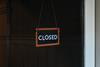
Without waiting for the end of a previously imposed confinement for the unvaccinated, which started on Nov. 15, the Austrian government decided that everybody will go into a general, nationwide lockdown for a maximum of 20 days on Monday, Nov. 22, and that it will be extended for unvaccinated people by Dec. 13 at the latest. Furthermore, everybody will have to be vaccinated by Feb. 1.
The lockdown implies that no-essential retail stores, including sporting goods stores, and gyms and other indoor sports will be affected, but the ski resorts and other open spaces will be excluded from the ban. Equipment rental services are allowed. The same goes for click & collect services, although very few consumers use this option in Austria. While noting that the whole nonfood retail sector has already lost about 25 percent of its traffic in November, observers hope that the new lockdown will be effective enough to allow a reopening of the stores in time for some last-minute Christmas shopping.
Austria is the first country in the European Union to reimpose such a lockdown and to demand full vaccination, following a massive increase in Covid cases to new record levels. About 66 percent of Austrians have been vaccinated, slightly below the EU average.
At the same time, the German government and the two houses of Parliament approved a new Infection Protection Act. Among other things, the law includes so-called “3G” (vaccinated, recovered, tested) requirements in the workplace and in public transportation. At nursing homes and hospitals, testing is required for employees and visitors. The federal states will be able to determine, depending on the infection numbers, whether unvaccinated people will get additional restrictions, but general closures of schools, daycare centers, businesses and stores will no longer be possible. Only individual facilities with particularly high infection rates can be closed. Restrictions on travel, overnight accommodations and restaurant closures are also taboo under the new law.
So far, some regions in Germany have imposed the so-called “2G” rule, which allows only vaccinated or previously infected and recovered people to enter a non-essential retail store, service facility or event. A negative test alone is no longer sufficient, which means that unvaccinated persons have no access to these places. As in Bavaria, this rule could even be tightened to “2G+,” whereby vaccinated or recovered individuals would need an additional recent Covid test.
The German and Austrian governments have agreed to extend government aid measures to retailers and other businesses that are suffering a sharp decline in their sales due to anti-Covid measures. In Germany, they will get at least 70 percent of their fixed costs reimbursed if their monthly revenues are down by more than 30 percent year-on-year in a particular month.
German observers feel that the recently appointed federal government is taking belated action against the new wave of the Covid epidemic, creating a lot of confusion that is having a negative impact on brick-and-mortar retailing as the Christmas selling season gets going.
Photo: Kelly Sikkema on Unsplash