
The Impact of Sports – Why the industry must act now
The WEF puts $169 billion of sporting goods revenue at risk from rising inactivity, and the WHO’s 2026 milestone will pass unmet. Our Impact of Sports Special gathers the new evidence and the people working on the problem, from Brussels to the brands.
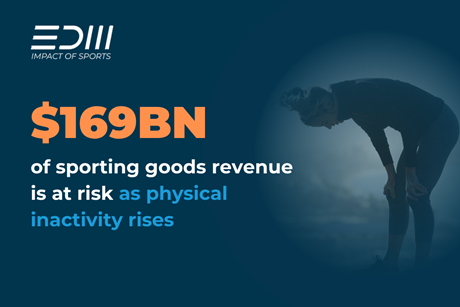
Physical inactivity 2026: The cost of standing still
The WEF puts $169 billion of sporting goods revenue at risk from rising inactivity, and the WHO’s 2026 milestone will pass unmet. Our Impact of Sports Special gathers the new evidence and the people working on the problem, from Brussels to the brands.
Unlock exclusive insights
Subscribe to SGI Europe for in-depth analysis and intelligence that keeps you ahead in the sports industry.
SubscribeIn conversation
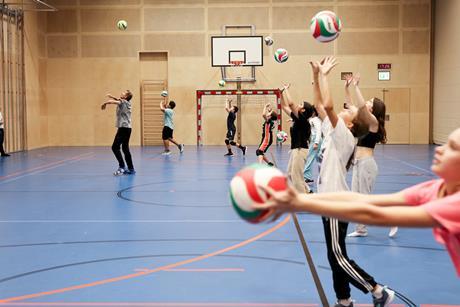
Impact of sports: Sporting Goods brands are missing their biggest opportunity
Stop treating social purpose as a campaign. Start anchoring it in the company’s own objectives, says the MD of the Laureus Sport for Good Foundation Germany, Austria in our interview.

Why sport could be one of the most important social policy tools
The Sporting Goods industry generates billions in annual revenue, but according to FESI its most important contribution may be one that never shows up in trade statistics.
Webinars
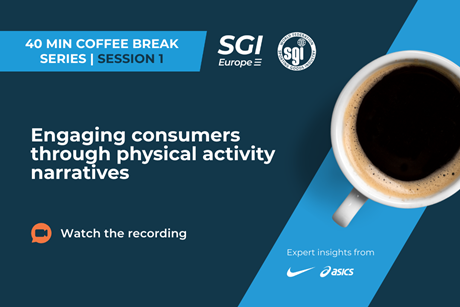
Watch now: Engaging consumers through physical activity narratives
Nike and ASICS share exclusive insights into engaging consumers through physical activity marketing and communication campaigns.
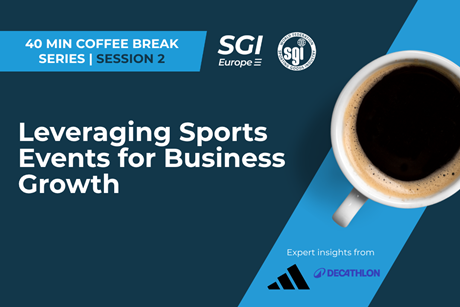
Watch now: How adidas and Decathlon Are Activating Events Differently
On 13 July, SGI Europe and WFSGI hosted the 2. session of their Coffee Break Webinar Series, focusing on sports events as demand engines.
Movement as medicine
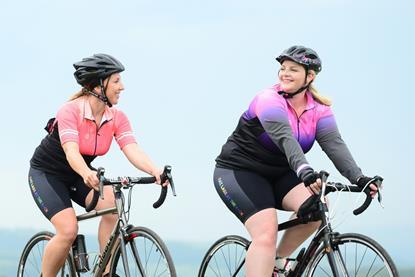
The call to embed sport in every GLP-1 program
Sport and physical activity must become part of every obesity treatment program, seven global health and fitness bodies say in a joint policy call.
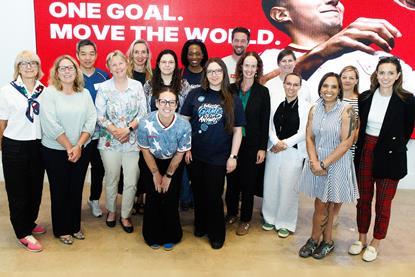
WFSGI turns the World Cup into a youth participation drive
Ten brands, two panels, five principles, and one question rarely posed: what do sporting events actually leave behind for young people?

Helping people feel better is becoming the sports industry’s greatest growth opportunity
Brand strategist Fredrik Ekström argues that the sports and outdoor industry’s greatest growth opportunity lies not in helping existing consumers perform better, but in helping millions of new consumers feel better through movement, connection and nature.
Half the story: low coverage of women in sport isn’t just a fairness issue
85 percent of sports coverage still goes to men. Here’s why that’s a structural and a business problem, not just a fairness one.
Women still wait for a seat at the top: the 2026 data
Women hold 30 percent of board seats and 24 percent of executive roles in sporting goods. The numbers are improving — but barely.
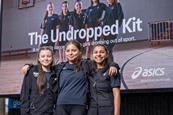
Asics helps reimagine physical education kit for UK girls
The “Undropped Kit” has been designed in collaboration with UK teenagers and their partners.

Why big brands keep missing modest athleisure
Muslim apparel spending reached $327 billion in 2023. So why are so many women still stitching together their own coverage hacks at the gym?
Brands moving the needle

ASICS launches global ‘Move Your Body, Move Your Mind’ campaign
ASICS unveils global campaign linking movement to mental wellbeing, featuring reimagined Beach Boys classic to reinforce 75-year founding philosophy.

Oura: small ring, large ambitions
Ring 5 launch: the biggest media push in Oura’s history is also its most strategic.
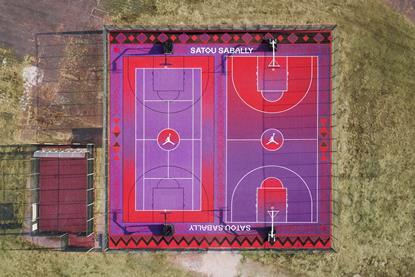
Why sports brands are investing in critical infrastructure
Sports infrastructure is not only a foundation of physical activity, health equity and community, but the future of the sports industry itself.
Latest News
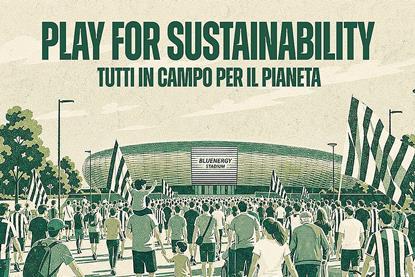
Udinese Calcio pilots UEFA sustainability framework
A Serie A club is using UEFA’s sustainability manual and emissions calculator to show concrete results, not just plans.
TrusTrace lets brands ask their supply chain questions
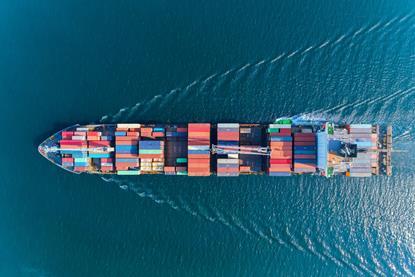
The Stockholm company’s new tool uses AI to answer natural-language questions and surface compliance gaps as they emerge.

Adidas apology puts its own accountability on trial
The company distanced its global brand from a local team’s choices, and that line is now the story.


Intelligence, analysis and advice for the global sporting goods industry.
TOPICS
Corporate and FinancialRetail and Supply
Marketing
Consumer
People and HR
Events and Trade Shows
Legal
CSR and Sustainability
Technology and AI
Asia-Pacific
Athlete economy
China and APAC
MARKET ANALYSIS
Analysis and dataIndustry Scorecards
Reports
Case Studies
SERIES and SPECIALS
FIFA World Cup 2026Winter Olympics 2026
Circular Economy
Impact of Sports
Redefining CSR 2025
SUBSCRIPTIONS
Membership plansFAQs
ASK SGIE AI
For premium subscribersABOUT US
About usNewsroom and Contacts
Media solutions
- COPYRIGHT © EDM PUBLICATIONS GMBH
- Contact Us
- FAQS
- Terms and Conditions
- Privacy & Cookies Policy
- Impressum
- Issues
- Topics A-Z