Footway Group announced late Wednesday, Sept. 18, that it had completed the sale of its subsidiary Footway OaaS AB (Footway+). With the sale, Solberget Invest AB becomes the most prominent owner, with 20 percent of the total shares and votes in the OaaS company. The purchase price for the transaction amounts to SEK 27 million (€2.4m). Solberget Invest AB, with owners Göran and Henrik Garvner, is a strategic investor with long experience building and developing companies in the technology and real estate sectors.
SGI Europe announced this summer that Footway was finding a buyer for the Oaas company.
Footway Group’s OaaS company is a core platform for its e-commerce business, and it will continue to use it to support its digital business, Footway said. The platform’s technical infrastructure is important to Footway Group’s ability to maintain and develop its e-commerce. Strong and experienced owners are, therefore, crucial for the long-term development and stability of Footway Group and the OaaS company, which the new ownership structure ensures.
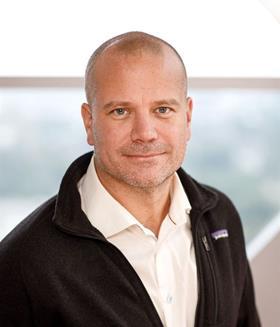
“Through the sale of Footway OaaS AB, we strengthen our financial position and reduce our running costs, which gives us improved conditions to continue to develop our business,” says Daniel Mühlbach, CEO of Footway Group. “At the same time, we look forward to continuing to use the platform, which is central to our e-commerce. We welcome Solberget Invest as an important investor in the OaaS company and look forward to their contribution to the platform’s future development.”
SGI Europe has had a chat with Footway CEO Daniel Muhlrad.
SGI Europe: Why is the refinancing is so vital to the company?
Daniel Muhlrad: The refinancing almost halves our net debt, which is extremely important to reduce financial risk and get back to normal supply conditions faster. We have a high demand for many products and lack sufficient liquidity to finance purchases. Under normal supplier conditions, this is not a problem.
How did you end up in this vulnerable situation?
Before the pandemic, we were profitable for seven years. During the pandemic, demand changed and we reacted too slowly. Our purchases have always been based on historical demand. But when demand turned upside down, our data-driven model became less good. We also did too many things at once. We bought and integrated four companies, moved our warehouse, and changed many systems simultaneously. All this during the pandemic and recession.
Your turnover has declined for several years, and losses were significant by 2023. What are the indications that you’ll get back on your feet and show a profit?
Our turnover has dropped a lot because we have not been able to replenish the products in demand. In 2023, we were in reconstruction, which severely limited purchases. But with the refinancing, we are now strengthening the company financially, which means that we can replenish with products in demand through existing supplier terms.
Is it mainly Footway that’s doing poorly. Is Sportamore okay?
Within Footway we have 12 e-commerce stores. The larger stores have the biggest problems with stock coverage, which is why they have had the biggest drop in sales. Smaller stores have found it easier to maintain good stock coverage and supplement their range. Most of them have experienced growth.
What are the most essential operational efforts for you to turn the ship around?
There is full focus on making sure we have products. We see that the market is gradually improving and we need to ensure the availability of products.
When do you think you’ll have healthy economics again?
I don’t believe in a ketchup effect. Even if we see apparent demand, it takes time to fill stock gaps, given that many industries have long cycles, such as shoes and fashion.