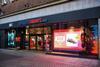
UK sportswear and fashion retailer Frasers Group has lowered its full-year profit guidance, citing weak consumer confidence stemming from the government’s recent budget and a tough trading environment and also finds itself dropped from the blue-chip FTSE 100 stock market index.
The Sports Direct owner now expects adjusted pre-tax profit for the 2024/25 fiscal year of £550 to £600 million (€663–€723m), compared with prior guidance of £575 to £625 million. Shares in the company have slumped by as much as 15 percent in London.
The downgrade results from recent industry data showing lackluster UK retail sales for November, with the British Retail Consortium saying low consumer confidence and rising energy bills had put a dent in spending.
Interim profits were down 1.5 percent to £299.1 million (€360.5m) on the same basis. Operating profits fell by 10.5 percent to £266.8 million (€321.5m) for the six months to Oct. 27, and revenue dropped to £2.49 billion (€3bn) from £2.7 billion a year earlier.
Frasers, which is controlled by majority shareholder and founder Mike Ashley, said recent budget measures, among them a rise in the minimum wage and employer national insurance contributions (NIC), would cost an extra £50 million for the full year.
“We are working hard to mitigate these challenges in order to maintain our profitable growth ambitions,” said the company, which also owns the Flannels, Jack Wills, House of Fraser and Gieves & Hawkes brands.
In the group’s core UK sports segment, which makes up 54 percent of total group revenue, revenue decreased by 7.6 percent to £1.37 billion (€1.65bn), while operating profits dropped to £190 million (€229m) from £226.8 million.
Continued sales growth from Sports Direct reflected ongoing success of Frasers’ “Elevation Strategy” to move upmarket and of strengthening of brand relationships with new partners such as Fendi, Ferragamo and Prada Beauty. However, this was more than offset by planned declines in Game UK, Studio Retail and Sportsmaster in Denmark.
Frasers said it was now “right-sizing” those previously unprofitable firms to put them on a more sustainable footing.
The group also reported that revenues in its premium lifestyle business – which includes Frasers and Flannels – dropped by 14.1 percent for the half-year to £472 million (€569m), although the division’s trading profit surged 41.1 percent to £56.3 million (€67.85m), with integration and other cost benefits offsetting a “continuing challenging luxury market.” International sales fell by 5.3 percent.
It said this was driven by a shake-up of its portfolio of stores across its House of Frasers business and the brands it bought from rival JD Sports in 2022.
There was better news at Frasers’ property division, where revenue increased by 21 percent to £38 million (€45.8m), driven by acquisitions.
The company invested in several shopping centers and retail parks across Britain at “attractive yields.” Frasers said that over time those acquisitions would “allow us to meet our retail space needs, improve the mix of tenants when appropriate and ultimately increase the value of our assets.”
It added that it saw a “great opportunity” for Frasers Plus, its buy-now, pay-later product, as a new stream of revenue and was targeting £1 billion (€1.2bn) in sales in the longer term.
Analysts at stockbroker Jefferies maintained a buy rating on the stock, even as they lowered full-year adjusted profit forecasts by 5 to 10 percent, saying they were “encouraged by the group’s strong strategic progress, particularly overseas.”
“Reflecting the lower FY25 guidance and recognition of NIC/National Living Wage headwinds in full-year 2026, we reduce our profit estimates, with both years seeing a 10 percent cut at the earnings before interest and tax level,” they wrote.
“Despite the near-term headwinds, we continue to view Frasers as an undervalued asset, with a significant medium-term growth opportunity.”