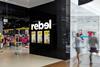
Super Retail Group, the Australian retailer with two outdoor formats and one focused on sporting goods, reported mixed results for the week 27 to 43 period. Rebel Sport, hurt by limited stock availability in some categories that included footwear, suffered a 4.0 percent year-to-date decline in same-store sales. SRG’s outdoor banners have performed better with BCF same-store sales up 1.4 percent over the 16 weeks and MacPac producing 0.3 percent improvement. Both chains are said to be well-stocked for the upcoming winter season in Australia.
BCF, which had 145 stores on Jan. 1, began rolling out small format, 600-square-meter regional doors last year. Besides having lower rents per square meter, these locations are said to deliver “sales intensity well above fleet average.” Banner objectives by 2026 include having 165 total doors, including five new flagship superstores and 60 percent of the fleet moved into the new format. At Macpac, SRG is focused on adding stores in large shopping centers in cold climate Australian states. Macpac, which ended 2022 with 82 stores, will aim to have 105 doors operational by 2026. That total will include 15 large format locations offering a range of apparel, camping, and outdoor adventure equipment.
As for Rebel, the chain has morphed with the closure of seven stores in 2022 including the shuttering of five duplicate former Amart Sports banners. Additionally, the chain opened four “high fulfillment” doors last year, introduced a “Worlds of…” basketball, football, etc. section in 44 benchmark stores and refurbished 48 former Amart stores. Rebel’s rCX Accelerate large-format locations are now open with plans for 17 by the end of the financial year 2023. SRG says the 2,000- to 2,500-square-meter stores featuring marquee products, extended ranges, and exclusive styles to the retailer, are being targeted to generate more than A$14 million in annual revenues.