The Harajuku flagship shows that Lululemon’s Asia-Pacific business is no longer a China-only story. Japan’s growing role, alongside China, points to a more balanced regional portfolio just as investors weigh Q2 results.
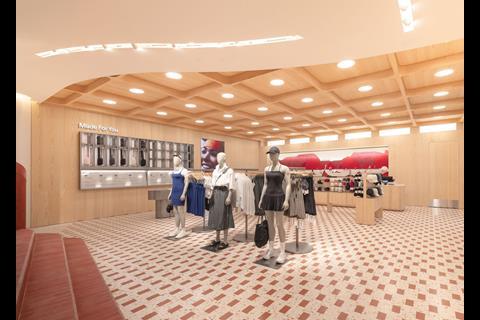
Lululemon opened its largest Asia-Pacific store on September 1, unveiling a 1,220-square-meter flagship in Tokyo’s Harajuku district just days before reporting second-quarter results. The opening gives investors a fresh look at the company’s Asia-Pacific ambitions as attention turns to whether international growth can continue to offset a softer North American business when management discusses earnings on September 3.
The multi-level store is the brand’s first global flagship in Japan, built with Japanese furniture maker Karimoku and Torafu Architects around a sculptural logo centerpiece. It introduces Lululemon’s first in-store personalization in Japan, including custom options on the Everywhere Belt Bag, plus traditional furoshiki gift wrapping.
The assortment goes beyond yoga into running, training, golf, tennis and commuting, with Asia Fit cuts built for local sizing.
Visualizza questo post su Instagram
Japan broadens the Asia ambitions ahead of the Q2 results
Lululemon is scheduled to report second-quarter results after US markets close on September 3, with investors expected to focus on the balance between North American demand and international growth. Consensus estimates put revenue at roughly $2.46 billion and earnings per share around $1.79.
The Harajuku opening also highlights how Lululemon’s Asia-Pacific business is becoming more diversified. China remains the company’s largest market in the region, but the Tokyo flagship underscores management’s continued investment in Japan as it expands beyond yoga.
The Japanese market is highly competitive, but technical product, premium positioning and brand experience still matter.
Elliott Harris, the brand’s senior vice president for Asia Pacific, said Japanese shoppers’ demand for craftsmanship and product education helped justify a store of this size, which combines local design partnerships, product education and community programming under one roof.



Eastern views
Asia-Pacific insights for the sporting goods industry
Analysis, insights, and expert perspectives on the sporting goods industry across Asia-Pacific — covering market trends, manufacturing, retail, and brand strategy from China to Southeast Asia to Oceania. With Jakarta-based contributing editor Yohana Belinda.
Explore Eastern views →