

Sporting Events
FIFA World Cup 2026
The FIFA World Cup 2026 is the largest edition in history, with 48 teams across the United States, Canada, and Mexico. SGI Europe tracks the business story: brand strategies, retail impact, licensing deals, and the tournament’s effects across the sporting goods industry.
LATEST

US: sporting goods emerge as World Cup retail winner
Two months later, adidas, Fanatics and Foot Locker led a US sporting goods surge that outpaced every retail category.
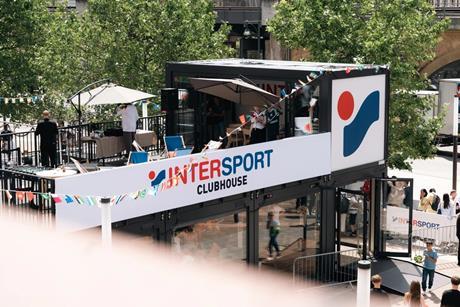
Intersport’s WC summer campaign lifts jersey sales 73%
The retail cooperative’s Clubhouses in Berlin, Paris and Istanbul drew more than 1 million visitors during its FIFA World Cup summer campaign.
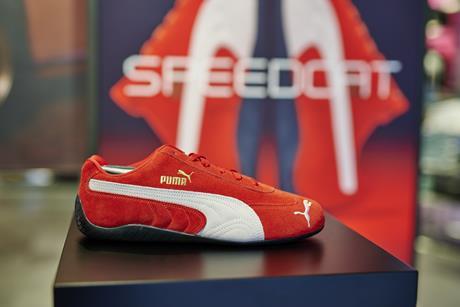
Puma posts smaller loss as turnaround strategy takes shape
Inventory is down 15.3 percent and free cash flow more than tripled, but PUMA does not expect a full recovery before 2027.
Campaigns and creativity
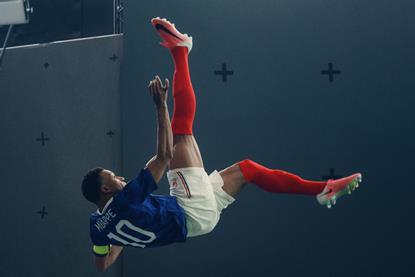
Rip the Script is testing Nike’s Sport Offense thesis
Nike built Rip the Script as the opening move in a twelve-week World Cup rollout. Three weeks into the tournament, attention is rising faster than financial evidence.
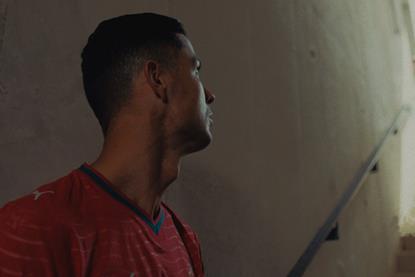
Ronaldo’s data becomes WHOOP’s best ad
A record eight players are over 40 at this World Cup. WHOOP built a Ronaldo campaign around exactly that.
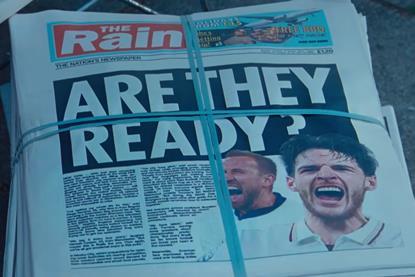
The ring that doesn’t need to sell itself
Ōura’s World Cup campaign with Kane and Rice is built around a question, not an answer: “Are you ready?”
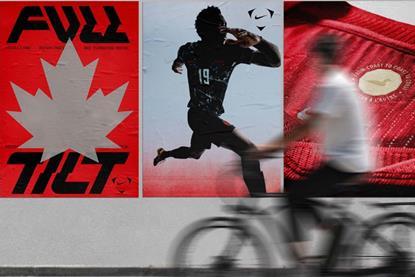
Canada’s World Cup moment, and the ads that called it
Jonathan David’s hat trick against Qatar. A 6-0 win. And five brand campaigns that spent months building toward exactly this.
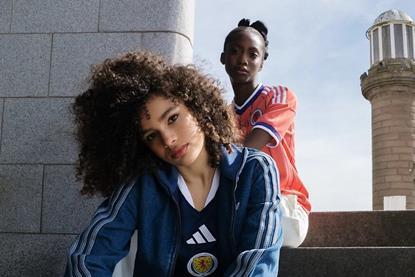
Scotland’s back: JD Sports celebrates with adidas
JD Sports and adidas celebrate Scotland’s first World Cup in 28 years with a campaign fronted by Ally McCoist and current squad stars.
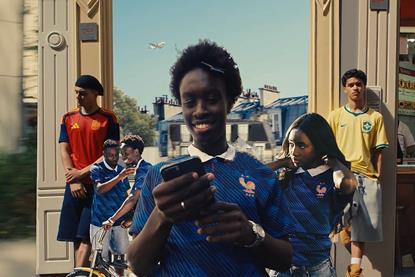
Snipes unites Nike, adidas and Puma in World Cup film
Built around players whose identities cross borders, the campaign says more about Snipes’ customer than about football.
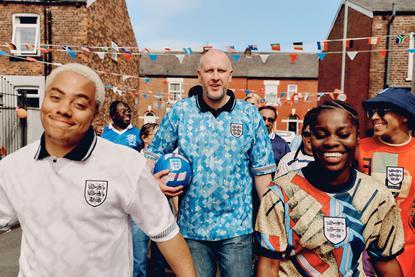
Sports Direct launches World Cup 2026 retro campaign
Sports Direct banks on retro shirts and nostalgia to win the FIFA World Cup 2026 retail window
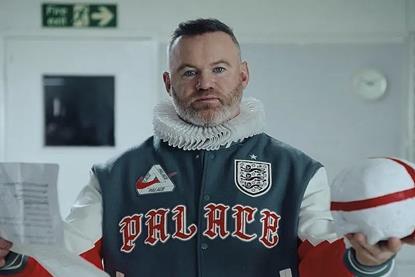
Wayne Rooney, a skull, and St. George’s flag
England’s former all-time scorer swaps the pitch for the stage in a World Cup campaign film that reaches back to the Bard.
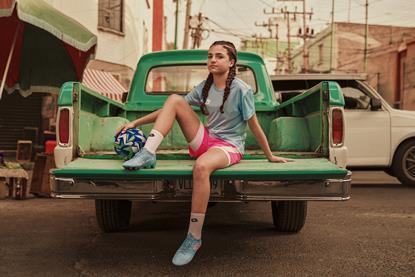
Lotto’s quiet comeback reaches the World Cup stage
The Italian sports brand has been rebuilding steadily toward a global relaunch – and now it has a World Cup campaign to show for it.
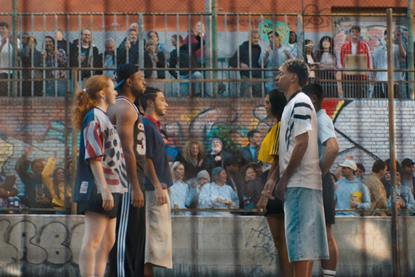
Adidas takes football back to ’90s New York
Adidas’ World Cup film supports a tournament the brand projects at around €250 million in product revenue.
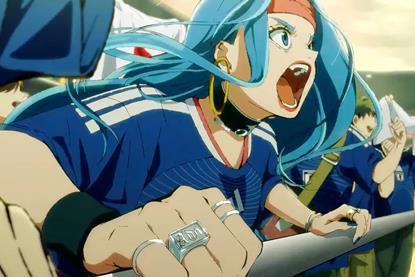
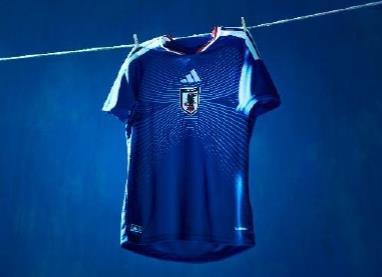
Adidas gives Japan kit its own anthem
Adidas deploys anime and J-pop artist Ado to extend Japan’s World Cup kit beyond football into Gen-Z culture.
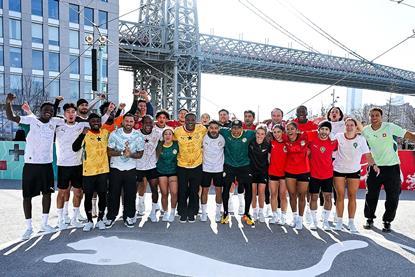
PUMA unveils World Cup kits for 11 nations in NYC
German brand chose New York streets over stadium launches to unveil kits for five African nations and six others ahead of this summer’s World Cup.
Most popular boot brands on the starting lineups
2026 World Cup, opening matches, 528 starters
Nike
Adidas
Puma
Other
232 players
218
44
34
Note: based on starting 11 players of each team. Source: FIFA and Reuters.
Football in pink
2026 FIFA World Cup will also be remembered for the pink boots
Pinks
White
Blues
Other
365 players
56
48
59
Note: based on starting 11 players. "Other" combines yellow, orange, black and grey boot colours.
BRANDS AND PRODUCTS
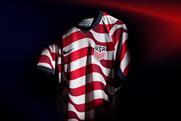
US: sporting goods emerge as World Cup retail winner
Two months later, adidas, Fanatics and Foot Locker led a US sporting goods surge that outpaced every retail category.
Intersport’s WC summer campaign lifts jersey sales 73%
The retail cooperative’s Clubhouses in Berlin, Paris and Istanbul drew more than 1 million visitors during its FIFA World Cup summer campaign.
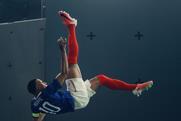
Nike ripped up the script. It didn’t go as planned.
Nike Football boss Camilo Andrade defends the brand’s execution even as its script for the final didn’t hold.
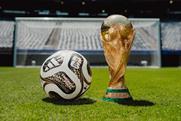
adidas told Bloomberg it won the World Cup
Spain and Argentina wore its kits in the final, and adidas is happy to let us know how much it sold.
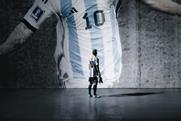
Messi and Adidas: 20 Years to El Último Tango
As Argentina returns to the World Cup final, Adidas and Messi celebrate a partnership two decades in the making.

Skechers builds a motel to pitch itself to football
A brand still associated with comfort footwear is making its case to football not with performance claims, but with a fictional roadside motel and a World Cup-sized cast.
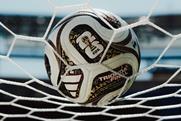
Who will kick this ball in New York?
Spain, France, England and Argentina are down to four. adidas has already revealed the ball waiting for Sunday’s finalists.

There is more than one way to win a World Cup
Mexico topped adidas sales as champion. Brazil’s Nike kit still dominates style after elimination.
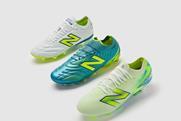
While rivals go pink, New Balance goes neon
From neon boots to heat-reactive Stone Island cleats, New Balance turns color into its main World Cup storyline.

Mexican brand Atlética relaunches for 2026
Kit supplier for Mexico’s 2002 World Cup and 2012 Olympic squad, Atlética targets a full comeback under new CEO Miguel Montes.
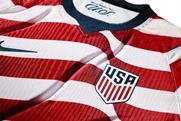
Nike had four years. USMNT jerseys sold out anyway.
Nike’s USMNT jersey shortage and Adidas selling out of Curaçao’s never-worn away kit point to the same shift: World Cup kit demand is now driven more by fan sentiment and on-pitch performance than by allocation planning, leaving even brands with four years’ lead time caught short.
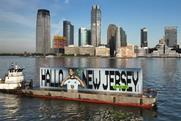
Nike sails into adidas territory
A cargo boat, a pixelated kit and Jamal Musiala: Nike’s World Cup teaser for Germany’s 2027 switch
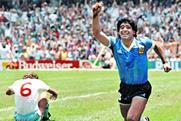
The shirt sewn overnight that became history
Le Coq Sportif and the Maradona estate launch a capsule on the 40th anniversary of the most famous shirt in football.
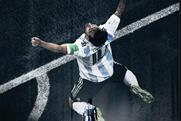
The boot adidas built for this moment
Messi broke the all-time World Cup scoring record. adidas had the campaign, the boot and the story ready.
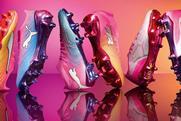
Football in pink
Nike, adidas, PUMA, New Balance and Skechers all launched pink tournament packs for 2026. Here is why.
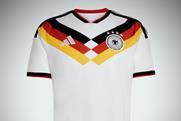
adidas runs out of letter 'V' for Germany World Cup kits
High demand for Havertz, Undav and Pavlovic shirts halted online orders. Kits priced at €170 were back in stock within hours.
2026 World Cup: the eight players aged 40 or over
By age at tournament. More than in all 22 previous World Cups combined.
Goalkeeper
Outfield player
Craig Gordon — Scotland, GK
43
Cristiano Ronaldo — Portugal, FW
41
Guillermo Ochoa — Mexico, GK
40
Luka Modric — Croatia, MF
40
Edin Dzeko — Bosnia & Herzegovina, FW
40
Manuel Neuer — Germany, GK
40
Vozinha — Cabo Verde, GK
40
Fernando Muslera — Uruguay, GK
40
Bar length proportional to age (scale starts at 0). Source: FIFA.
ATHLETES
Ronaldo’s data becomes WHOOP’s best ad
A record eight players are over 40 at this World Cup. WHOOP built a Ronaldo campaign around exactly that.
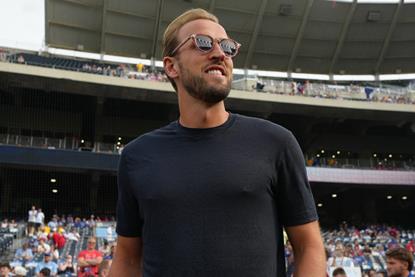
Harry Kane, top scorer and entrepreneur
The £20m Seat Unique raise is the latest move in Kane’s quietly expanding equity portfolio.
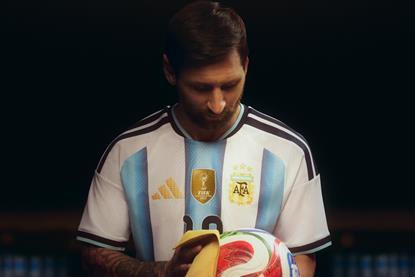
When Messi scores, the brand machine fires
A hat-trick against Algeria also activated adidas, Dick’s and a commercial system already in place.
ECONOMICS
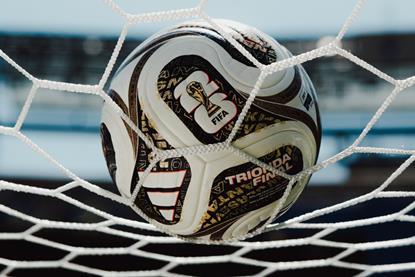
Who will kick this ball in New York?
Spain, France, England and Argentina are down to four. adidas has already revealed the ball waiting for Sunday’s finalists.
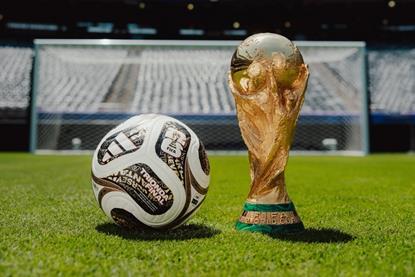
World Cup broadcast records mask a bigger social audience
Broadcast records in Canada and the US run alongside a larger, harder-to-monetize creator viewing base.
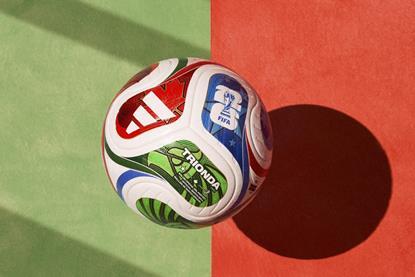
World Cup 2026 breaks broadcast records in its first week
The 2026 World Cup is reaching consumers at scale not seen since 2018. Five markets, five days, one clear signal for brands.
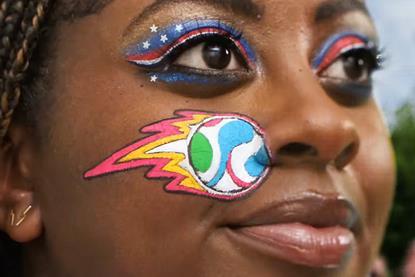
The bonfire we’re no longer watching together
The 2026 World Cup reaches six billion people, but fragmented across time zones, devices and platforms. That’s the challenge for every sponsor.
World Cup 2026: big event, small economic impact?
A new Goldman Sachs research note challenges FIFA’s $17 billion GDP forecast for the 2026 World Cup.
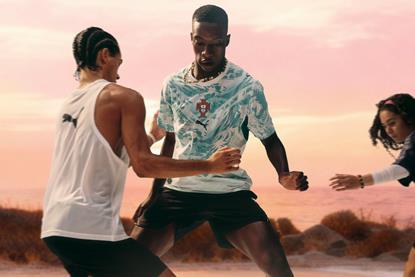
PUMA’s biggest World Cup kit roster in 20 years
The Herzogenaurach brand holds the deepest African kit portfolio at the tournament.
FIFA settled for a third of its ask in India
Indian media platform Zee Entertainment pays an estimated $30–35m for 2026 World Cup rights, against an opening demand of approximately $100m.
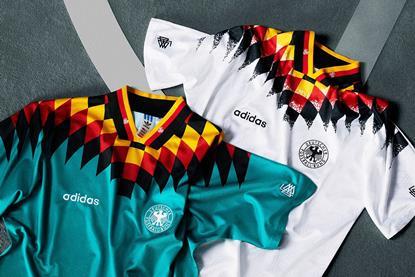
Adidas mines the archive ahead of FIFA WC 2026
Seven heritage reissues target collector and nostalgia demand without the cost of performance innovation.
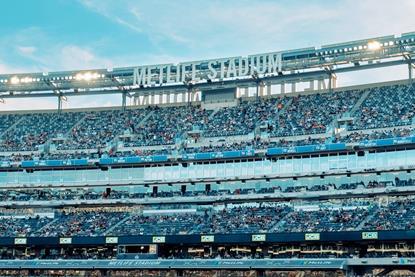
FIFA’s pricing model meets its first law enforcement test
Two attorneys general have put FIFA’s dynamic pricing strategy on legal notice. The precedent matters far beyond one tournament.
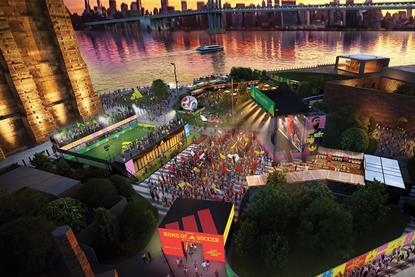
From the pitch to the barber’s chair: adidas at World Cup 26
New York and Toronto host free fan spaces tying 14 federation kits, athlete marketing and retail into a six-week activation.
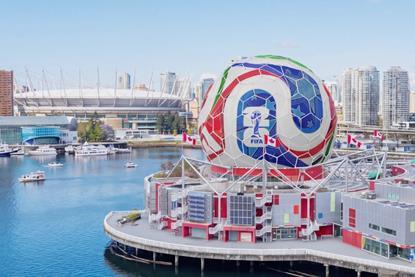
Vancouver wraps a science museum in a football
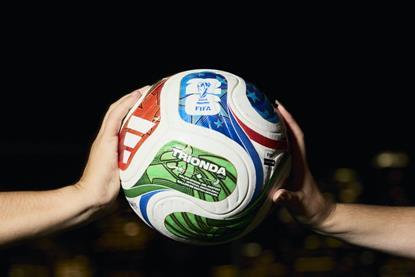
Science World’s 40-metre dome becomes a full-scale replica of the adidas Trionda, the official World Cup 2026 match ball
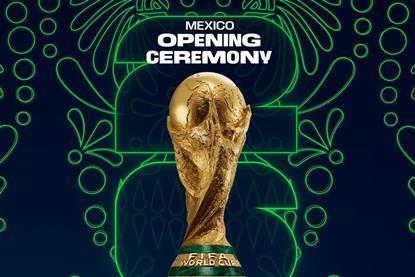
World Cup 2026 kicks off with a trilogy of opening shows
Mexico City goes first on June 11, followed by Toronto and Los Angeles, in a three-country opening ceremony series developed with Balich Wonder Studio.
World Cup 2026: The business of the beautiful game
Three brands outfit 77 percent of teams. Sponsorship is at record levels. And yet FIFA’s own pricing strategy may be the industry’s biggest risk.
Saudi Arabia’s sovereign fund buys into the World Cup
PIF’s FIFA World Cup deal extends Gulf capital’s grip on global football from club level to the sport’s biggest stage

Intelligence, analysis and advice for the global sporting goods industry.
TOPICS
Corporate and FinancialRetail and Supply
Marketing
Consumer
People and HR
Events and Trade Shows
Legal
CSR and Sustainability
Technology and AI
Asia-Pacific
Athlete economy
China and APAC
MARKET ANALYSIS
Analysis and dataIndustry Scorecards
Reports
Case Studies
SERIES and SPECIALS
FIFA World Cup 2026Winter Olympics 2026
Circular Economy
Impact of Sports
Redefining CSR 2025
SUBSCRIPTIONS
Membership plansFAQs
ASK SGIE AI
For premium subscribersABOUT US
About usNewsroom and Contacts
Media solutions
- COPYRIGHT © EDM PUBLICATIONS GMBH
- Contact Us
- FAQS
- Terms and Conditions
- Privacy & Cookies Policy
- Impressum
- Issues
- Topics A-Z