Under Armour has named Heated Rivalry actor François Arnaud its newest ambassador, calling it part of a return to brand storytelling, but the campaign itself raises the question of what that storytelling actually is.
At first glance, two campaigns tied to the same hit show look like brands chasing the obvious: toned bodies, a hit series and men the camera clearly enjoys watching. Look again and it could be a wink at gay and bisexual audiences, and nothing more. Or is something else happening: brands moving past athletes and into culture, where the aspiration is less about performance and more about aesthetics?
For Under Armour, the new campaign also lines up with an expensive return to brand storytelling, something the company has said was overdue.
The Heated Rivalry playbook, twice in four months
François Arnaud, who plays hockey player Scott Hunter in HBO’s Heated Rivalry, is Under Armour’s newest global brand ambassador. Arnaud fronts a campaign called “For When It’s Hot,” built around the HeatGear line. The spot, a shirtless garage workout with rising temperatures and watching neighbors, is designed to spread through fan accounts as much as paid media.
It is not the first time a Heated Rivalry star has anchored a fitness campaign. Peloton ran a similarly styled ad with co-star Hudson Williams in April, using close ups and sustained eye contact in the same register.
Under Armour has said it noticed fans associating Arnaud with its gear before signing him. Peloton’s public framing of the Williams deal emphasized his cultural visibility and fit with the platform, rather than an existing fan association with its products. Under Armour’s chief communications officer, Matt Dornic, tied the deal directly to Arnaud’s character arc, saying the actor represents someone who “stops trying to fit someone else’s mold.”
Why Under Armour needed a moment like this
Under Armour spends roughly $500 million a year on marketing and added another $30 million in 2026. CEO Kevin Plank tied the reinvestment to a self diagnosed storytelling problem on the company’s Q4 earnings call: the brand’s “currency is product,” Plank said, but it has struggled to translate that into a narrative.
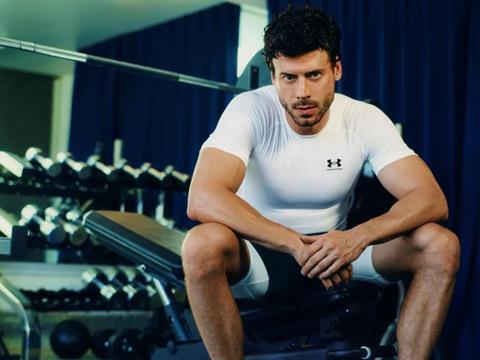
The Arnaud deal comes as Under Armour broadens its ambassador roster. Texas country singer Parker McCollum and rapper Gunna also signed this year. It also follows a completed 25 percent reduction in Under Armour’s SKU count, a move intended to focus spending on fewer, more visible products and the stories around them, rather than on a steady stream of new launches.
Is this the new storytelling of Under Armour?
Trade coverage of the campaign was largely neutral. Nothing about the spot reads as innovative, and storytelling is almost beside the point — but it is undeniably watchable.
So is this actually the new storytelling Under Armour says it is investing in? What story does a 45-second garage workout tell? What kind of brand ambassador is Arnaud, exactly, once the workout ends and the marketing case has to hold up on its own? And was releasing the spot immediately after Pride month a savvy read of the cultural moment, or a telegraphed one?
When you choose an ambassador, look at the calendar.
The open question is durability, not virality. Heated Rivalry’s second season is not due until April 2027. In the meantime, the first test is happening now: HeatGear is launching during what is typically the hottest stretch of the year in North America.
When temperatures drop and training becomes less punishing, will Arnaud still hold attention long enough to drive HeatGear sales? Or will this moment simply top up the brand’s attention account until the next campaign after “For When It’s Hot” arrives, whether that is for midseason or for cold weather?