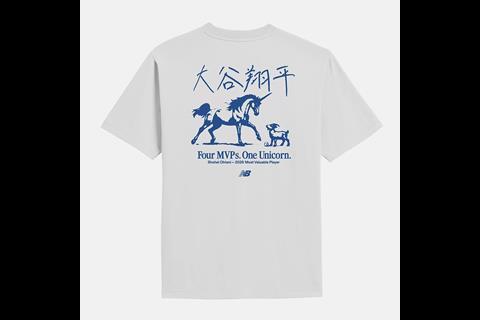
New Balance has unveiled a special-edition “Unicorn” T-shirt honoring Shohei Ohtani’s 2025 MVP award, extending the brand’s growing signature collaboration with baseball’s biggest global star.
New Balance has released a limited-edition Shohei Ohtani “Unicorn” T-shirt to celebrate the Los Angeles Dodgers star’s 2025 MVP season. The shirt, featured on New Balance’s website, uses a stylized unicorn motif – reflecting a nickname widely associated with Ohtani’s rare two-way brilliance – and arrives days after he secured baseball’s top individual honor.
The collaboration background
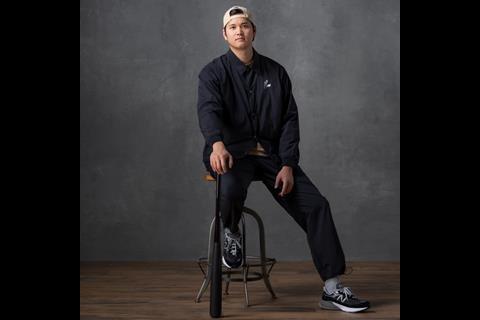
The drop builds on an expanding partnership between New Balance and Ohtani. Earlier this year, the brand introduced new pieces for The Ohtani Signature Collection, timed to the MLB Tokyo Series in March. The performance and lifestyle range includes fleece layers, training tops, raglan tees, and refreshed versions of the popular Woven Nylon set, all featuring Ohtani’s personalized logo: a sketch capturing the star rounding first base.

Why it matters for the sporting goods industry
Athlete-driven commercial strategy is accelerating. With Ohtani among the world’s most marketable athletes, New Balance leverages milestone moments – like MVP awards – to fuel targeted, emotionally resonant product drops. At the same time, competition for athlete cultural capital is intensifying: Nike, Adidas, and Under Armour increasingly rely on high-impact athlete storytelling, and New Balance’s Ohtani-led platform strengthens its brand identity against these larger rivals. Finally, baseball lifestyle is expanding globally – Ohtani’s cross-continental appeal pulls baseball deeper into streetwear culture, widening the category for all major sportswear players.
The wider lens: baseball’s rising strategic value for sporting goods brands
Baseball is undergoing a quiet revolution in the eyes of global sporting goods brands – and it’s being written in new markets, new consumer habits, and new commercial models.
Cross-continental reach
The sport is no longer confined to North America. Baseball’s footprint is expanding rapidly across Asia, where stars like Shohei Ohtani aren’t just athletes – they’re cultural ambassadors. For brands, this means a single partnership can unlock consumer engagement across continents simultaneously, offering geographic leverage that few other sports can match.
Lifestyle-performance convergence
Baseball is shedding its traditional image and repositioning itself at the crossroads of performance and style. What was once purely athletic apparel is now part of streetwear culture. This hybrid appeal allows brands to capture both the athlete on the field and the fashion-conscious consumer on the street, expanding the category’s commercial potential far beyond the diamond.
Athlete-driven brand equity
The endorsement game is changing. Brands are moving away from sprawling rosters and towards fewer, deeper partnerships with athletes who carry genuine cultural weight. Baseball stars like Ohtani enable smaller brands to compete against giants like Nike and Adidas by building emotional equity through compelling athlete storytelling – turning endorsements into narratives, and narratives into loyalty.
Rapid product cycles
Today’s brands are tying product drops directly to cultural flashpoints: MVP awards, milestone games, international series. This shift allows for faster, more responsive commercial strategies that capitalize on real-time fan engagement, turning moments into merchandise and buzz into revenue.
Competitive repositioning
For brands like New Balance, baseball offers something rare: a differentiated entry point into the crowded world of athlete-led brand building. Strategic investment in baseball partnerships isn’t just about selling shoes – it’s about strengthening relevance in global sport and lifestyle markets, and carving out a distinct identity in an industry dominated by legacy players.
Our SGI Europe take
Baseball is no longer just a regional sport for brands – it’s becoming a global platform for cultural influence and commercial growth, with increasing relevance for Europe. See our feature article from last September: Baseball’s push: From $12bn industry to Europe’s next growth market.
For New Balance, this focus on baseball reflects a broader brand strategy built on cultural relevance, careful athlete selection aligned with brand values, and a distinctive approach to heritage sports – reimagined and made appealing to younger generations. It’s a mix that has delivered results. See also: “New Balance: Authenticity as a global growth strategy”.