

Legal
Legal cases, regulatory developments, and compliance mandates reshaping the sporting goods industry—from antitrust and IP disputes to trade rules, sustainability enforcement, and labor standards with strategic and operational impact.
Latest

Two more athletes sue PUMA over carbon-plate shoes
Two more elite sprinters filed suits in Massachusetts, with the same counsel as Abby Steiner. Nike faces a parallel case.
SGIE Daily Digest
Stay informed. Stay ahead.
Every weekday in your inbox.
The news, analysis and competitive signals that matter — curated for industry professionals.
Sign up for free
Two more athletes sue PUMA over carbon-plate shoes
Two more elite sprinters filed suits in Massachusetts, with the same counsel as Abby Steiner. Nike faces a parallel case.

Two out of three demands accepted but it’s no deal
The drag activist agrees to two of Patagonia’s three demands, but refusing the third keeps the lawsuit alive into Pride month.

Patagonia v. Pattie Gonia: Could the evidence backfire?
Patagonia filed a lawsuit to protect its brand. Do its own exhibits contradict claims about the damage associations with the drag queen cause?
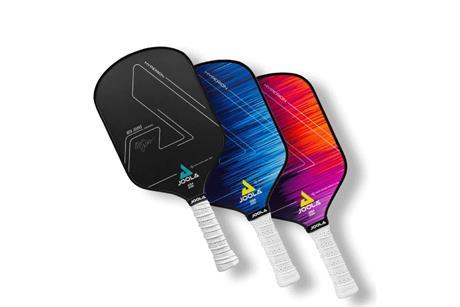
Joola settles pickleball patent row with Paddletek
Paddle maker Paddletek and ProXR Pickleball agree to add Joola’s propulsion core patent number to products and pay royalties.
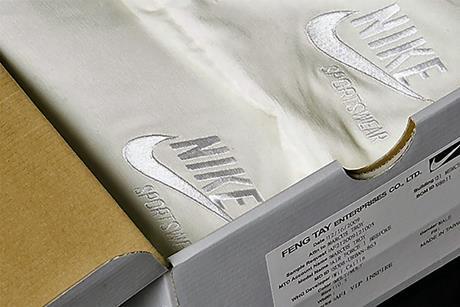
Nike may pocket the tariff refund. Consumers want it back.
Footwear giant raised prices by up to $10 to offset $1bn in import costs. Now the tariffs are gone — and so is its commitment to refund shoppers.

Sprinter sues Puma and Mercedes F1 over carbon shoes
Two-time world sprint champion Abby Steiner is suing Puma and the Mercedes F1 team, claiming their carbon-plate shoes ended her career.
TPG acquires US college sports commercialization giant
TPG is acquiring Learfield, the commercialization platform serving 1,200 US colleges, in a deal valued at about $2 billion.

Capstone Partners: outdoor recreation M&A doubles in 2026
Transaction volume in the outdoor recreation sector has doubled year-to-date in 2026, even as broader consumer M&A contracted.
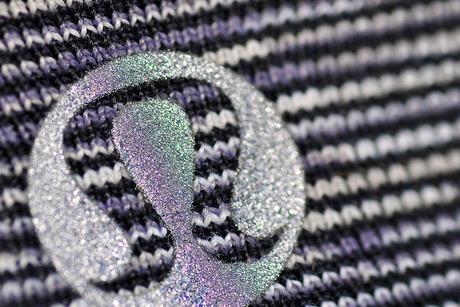
Texas Attorney General probes Lululemon over PFAS
Texas Attorney General Ken Paxton is investigating whether Lululemon’s wellness-driven marketing misled consumers about PFAS in its clothing.
Adidas sued over gender bias in women’s sport
A lawsuit filed in Oregon accuses Adidas of dismissing a women’s basketball executive after she reported inequality and an athlete safety breach.
Joola sues 11 paddle brands over pickleball patent
The table tennis and pickleball specialist is seeking a US import ban on paddles from competitors including Adidas Pickleball and Paddletek.
Judge vindicates Lululemon in Nike Flyknit lawsuit
A federal judge has invalidated Nike’s Flyknit patent claims, overturning a March jury verdict and $355,450 fine against Lululemon.

First Big Tech loss in US court over trade practices goes to Meta, which will appeal
A US jury awards New Mexico $375m in the first successful state lawsuit over Big Tech harm to children — with 40 more cases in the pipeline.

Puma loses Singapore trademark fight with Sun Day Red
Singapore tribunal finds Puma’s big cat and Sun Day Red’s tiger marks distinct – limiting broad animal-logo IP protection in sportswear.

Lycra files for bankruptcy
The fiber supplier behind activewear and denim across global supply chains files with near-unanimous creditor backing for a 45-day restructuring.

Australian regulator fines Lululemon for email spam
Australia’s regulator has penalized Lululemon for embedding promotions in service emails during the 2024 holiday period.

Sports brands and retailers in line for tariff refunds
A court order now extends refund rights to all importers — not just those who sued. But the government is already appealing.
PTPA seeking outside capital, per report
Players’ union explores $1bn raise to reshape tennis governance and commercial control.

Puma loses EU stripe trademark case
EU court rejects Puma’s opposition to Chinese entrepreneur’s stripe-based trademark, highlighting limits of protecting basic geometric elements.

Distribution of branded sporting goods in Europe
Vertical pricing, exclusive distribution, price-adjustment clauses and GPSR compliance: key rulings and obligations reviewed.

Polymarket hooks into another football league
Polymarket becomes Italian Serie A’s exclusive US prediction markets partner, with official data supplied via Genius Sports following its Legend acquisition.

Enhanced Group – Sport as proof of concept
Behind the Enhanced Games’ NYSE debut: athletic bloodwork as raw material for consumer drug protocols sold via telehealth.
FESI calls for simpler EU digital rules
The sporting goods industry federation wants the EU to narrow health data definitions, simplify cookie consent and unify cybersecurity reporting.

European Commission investigating Shein
Brussels alleges addictive design, non-transparent algorithms, and sale of illegal products by the fast-fashion giant.

Intersport fined €3.5m for customer-data transfers
France’s data watchdog penalises the sporting goods retailer for transferring loyalty programme members’ contact details to social networks without consent.

Dazn to introduce prediction markets
Sports streaming platform Dazn plans to integrate prediction markets into broadcasts, potentially competing for fans’ discretionary spending with sporting goods purchases.

EU’s new Ecodesign law takes effect
The new regulation requires companies to disclose discarded items and limit waste, with large firms required to comply by February 2027.

Italy enforces helmet rule for all skiers
From Nov. 1, Italy will require all snow sports participants to wear CE-certified helmets, tightening slope safety ahead of the Milano Cortina 2026 Olympics.
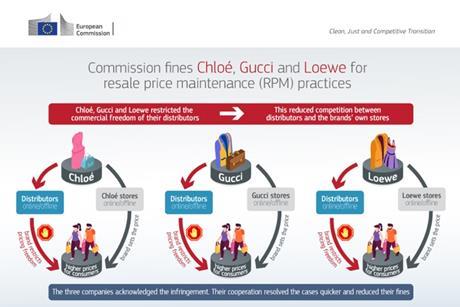
The fashion industry’s illegal practice of resale price maintenance
A EU antitrust ruling on resale price maintenance sends a clear signal to brands alike. Here’s what the industry should take away.

EU Green Claims Directive is dead, for now
The Commission’s laconic announcement came on June 20 from spokesman Maciej Berestecki, who said: “In the current context, indeed the Commission intends to withdraw the Green claims proposal.”

Three years on – EU framework for the distribution of branded products, from an attorney’s perspective
The EU Commision’s revision of the framework, now three years old, has sought to meet the legal challenges of new online distribution models by imposing new vertical restrictions. Reactions in the private sector have been various.

Intelligence, analysis and advice for the global sporting goods industry.
TOPICS
Corporate and FinancialRetail and Supply
Marketing
Consumer
People and HR
Events and Trade Shows
Legal
CSR and Sustainability
Technology and AI
Asia-Pacific
Athlete economy
China and APAC
MARKET ANALYSIS
Analysis and dataIndustry Scorecards
Reports
Case Studies
SERIES and SPECIALS
FIFA World Cup 2026Winter Olympics 2026
Circular Economy
Impact of Sports
Redefining CSR 2025
SUBSCRIPTIONS
Membership plansFAQs
ASK SGIE AI
For premium subscribersABOUT US
About usNewsroom and Contacts
Media solutions
- COPYRIGHT © EDM PUBLICATIONS GMBH
- Contact Us
- FAQS
- Terms and Conditions
- Privacy & Cookies Policy
- Impressum
- Issues
- Topics A-Z