
Fitness
Tracking fitness as a growth engine for sporting goods: from gyms and studios to connected platforms and outdoor fitness. Exploring how participation trends, technology, and lifestyle shifts shape product demand and brand strategies across apparel, footwear, and equipment.
Spotlight
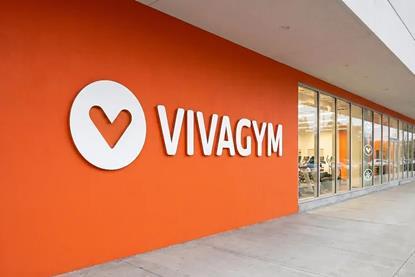
Europe’s gyms are changing hands fund by fund
VivaGym’s Sparta deal is the latest move in a consolidation wave reshaping budget fitness across the continent.

Oura: small ring, large ambitions
Ring 5 launch: the biggest media push in Oura’s history is also its most strategic.

HYROX becomes a brand battlefield
Puma’s CEO calls HYROX a “lighthouse” partnership while Adidas launches its own hybrid race shoe. The battle for fitness racing’s commercial core is on.

L Catterton in exclusive talks to buy HYROX stake
The LVMH-backed PE firm is close to a deal with Infront Sports & Media, owner of the indoor fitness series.
Europe’s gyms are changing hands fund by fund
VivaGym’s Sparta deal is the latest move in a consolidation wave reshaping budget fitness across the continent.
Technogym, World Athletics open RUN X registration
Fitness clubs, universities, hotels and corporate facilities can host qualifiers for the first World Treadmill Championship.

Gymshark partners with Bratz
A four-piece drop, a nostalgia property, and data on female gym discomfort: collaboration as a statement.

What Taiwan’s fitness diplomacy tells the industry
Taiwan is using the health and fitness economy as a channel for economic diplomacy, and the sporting goods industry should take note.

Hyrox and World Gym in three-year APAC deal
Hyrox’s biggest APAC deal to date lands in Taiwan: a market of 500,000 gym members and 140 clubs, with Thailand lined up next.

140 countries, one wellness show
The 20th-edition fitness and wellness trade show drew visitors from 140 countries, with international attendance up 25%.

H&M MOVE launches Solar Club collection
A Marseille morning-to-evening collection that blurs running wear and dinner tableware.

Oura: small ring, large ambitions
Ring 5 launch: the biggest media push in Oura’s history is also its most strategic.

Strava’s most-uploaded sport type gets rebuilt
Strava’s strength update includes muscle maps, a workout log, and integrations with Garmin, WHOOP, Fitbod and 11 other partners.
VivaGym-Synergym deal accelerates Iberian fitness roll-up
With Providence Equity behind the deal, the acquisition follows the PE playbook: consolidate before competitors do, exit at scale.
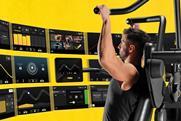
Technogym Q1 revenues rise double-digit
The Italian fitness equipment maker posted broad-based growth in Q1, with Italy and the wholesale channel among the standout performers.

How ICIW is building Europe one gym deal at a time
A Belgium studio deal in March, a 50-location Dutch exclusivity now: ICIW’s market entry model is becoming legible.

Technogym scores 100/100 on ESG transparency
Fitness equipment maker joins Dow Jones Best-in-Class Europe Index with near-perfect scores on health, energy and reporting.

RiminiWellness turns 20 with longevity at the centre
RiminiWellness returns to Rimini on May 28–31 with an expanded startup showcase and longevity programming.

Spotify enters fitness with Peloton deal
Spotify adds over 1,400 Peloton workout classes to its platform, with fitness now a core content category alongside music and podcasts.
Companies
Following key fitness players across technology integration, precision wearables, apparel innovation, athleisure evolution, and club accessibility—tracking the business strategies and partnerships driving sporting goods demand.
Strava
Strava’s most-uploaded sport type gets rebuilt
Brooks grows strongly in China and gains ground worldwide in 2025
Strava files for IPO as fitness app capitalizes on growth
Gen Z chooses fitness over social media, Strava study reveals
Strava withdraws patent lawsuit against Garmin
Patent disputes overlap Garmin with Strava and Suunto
Strava is preparing for IPO
Runna launches in seven new languages
F45 Training
GARMIN
Scorecard full year 2025: more revenue, less profit
Garmin fitness segment up 42% in record Q1
From extreme athlete to platform: Jonas Deichmann’s business model
Garmin posts record revenue in 2025, driven by fitness
Analysis: Industry stocks tumble 14% in 2025
Garmin lifts outlook as fitness drives growth
Strava withdraws patent lawsuit against Garmin
Patent disputes overlap Garmin with Strava and Suunto
The top sporting goods industry performers by sales and profits in Q2 2025
Olympic champion Laura Dahlmeier dies at 31
Peloton
Scorecard full year 2025: more revenue, less profit
Peloton acquires Pilates startup Skōp
Peloton back in profit but subscribers keep falling
Spotify enters fitness with Peloton deal
Peloton: “Let Yourself Go” with Hudson Williams
Peloton brings connected fitness to the gym
Peloton’s new AI lineup disappoints
Peloton cuts 11% of staff in turnaround push
Analysis: Industry stocks tumble 14% in 2025
Peloton recalls 800,000 bikes
Technogym
Technogym, World Athletics open RUN X registration
Technogym Q1 revenues rise double-digit
Technogym scores 100/100 on ESG transparency
Technogym and Google Cloud enter multi-year AI deal
Peloton brings connected fitness to the gym
Technogym and World Athletics launch RUN X
Market Analysis: The global sports equipment market
Technogym is recognized with the EcoVadis Platinum Medal for Sustainability

Intelligence, analysis and advice for the global sporting goods industry.
TOPICS
Corporate and FinancialRetail and Supply
Marketing
Consumer
People and HR
Events and Trade Shows
Legal
CSR and Sustainability
Technology and AI
Asia-Pacific
Athlete economy
China and APAC
MARKET ANALYSIS
Analysis and dataIndustry Scorecards
Reports
Case Studies
SERIES and SPECIALS
FIFA World Cup 2026Winter Olympics 2026
Circular Economy
Impact of Sports
Redefining CSR 2025
SUBSCRIPTIONS
Membership plansFAQs
ASK SGIE AI
For premium subscribersABOUT US
About usNewsroom and Contacts
Media solutions
- COPYRIGHT © EDM PUBLICATIONS GMBH
- Contact Us
- FAQS
- Terms and Conditions
- Privacy & Cookies Policy
- Impressum
- Issues
- Topics A-Z