We have started to hear reports of “panic buying” by various apparel companies that are sourcing finished products and materials such as elastane from Chinese suppliers as the new delta variant of the Covid-19 epidemic has started to cause some localized factory shutdowns in Beijing and at least four other eastern provinces of the country.
The new coronavirus outbreak in China is reported to have started with a cluster in Nanjing around July 7. It has since spread to parts of Beijing as well as Shijiazhuang and Heilongjing. According to the Xinhua News Agency, public authorities have urged people to limit travel and avoid gatherings. The city of Wuhan, where the coronavirus started at the end of 2019, has decided to test all its 12 million residents and to seal off parts of an industrial and technology zone, according to Reuters.
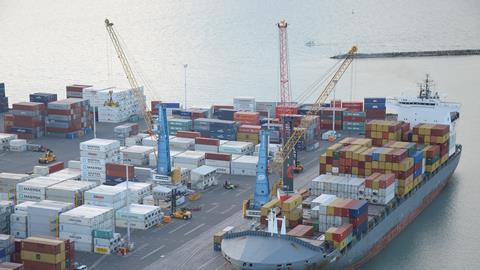
With less than 100 new cases per day reported by China’s National Health Commission, the situation appears to be manageable at this stage, but the lockdowns ordered so far, coupled with the current shortages of containers, have reportedly led to shipment delays of four to six weeks in deliveries for the critical back-to-school and winter holiday seasons.
Further delays in the supply chain are feared in China as well as Germany, the Netherlands and Belgium because of recent floods that have paralyzed road, rail and sea traffic. According to preliminary estimates, the cost of restoring railroads in European countries will be up to $4 billion. Losses in China have yet to be calculated.
Flooding of the major Chinese railroad station in Zhengzhou led to the suspension of operations from July 20 to 26, impacting international and domestic logistics. Due to the one-week station closure, delivery times have been extended from one to four weeks. Difficulties associated with departures from the station are the logistics of the “first mile,” the release of containers and the departure of ships from the port.
The industry is already looking for transport solutions for the delivery of goods from China to the EU for the period around the turn of the year. In previous years, the search began in September-October. However, seats on ships and trains are currently booked six months in advance. It is not yet possible to estimate what costs will ultimately result from flooding and delays to be borne by the Chinese and EU governments.
Meanwhile, in a surprise move, the government of Bangladesh has eased the complete lockdown it had planned from July 23 to Aug. 5 by granting an exemption for the textile industry. Strong pressure from the sector, which is one of the country’s economic cornerstones, led the authorities to exclude factories supplying major brands in Europe and North America from the new confinement imposed on the entire population due to an increasing number of Covid infections. The country’s 4,500 garment factories and workshops employ roughly four million people.
Many workers had stormed transportation to the industrial poles on Saturday, July 31, asking to return to work. Despite the pandemic, the influential textile industry had warned about the “catastrophic” consequences of its inability to respond on time to orders from its foreign customers, predicting their exodus to other countries. According to AFP, the Bangladeshi Fabric Manufacturers and Exporters Association said orders worth nearly $3 billion could have been lost to the industry if factories remained closed. The Bangladeshi textile industry is now calling on the government to vaccinate factory workers as soon as possible. Bangladesh has officially recorded 1.2 million cases and more than 20,000 deaths since the start of the pandemic, and is currently reporting new record numbers in cases and deaths.
Bangladesh is not the only manufacturing country that has gone into lockdown. As previously reported, the situation is similar in Vietnam, where over a third of the country is currently paralyzed. Also in India, several lockdowns are already causing week-long delays in deliveries. According to media reports, the lockdowns could affect over a quarter of U.S. imports of clothing and footwear.
Shortages of autumn/winter goods are feared in Europe as well as the U.S. July and August are typically peak months for imports into the U.S., where many clients have recently shifted some of their sourcing from China to Vietnam and Bangladesh, partly because of a ban by the U.S. government on products using materials allegedly made with forced labor in the Uyghur region of China.
Coupled with the skyrocketing cost of ocean freight, the increased use of expensive air freight and higher prices for cotton and other raw materials, the situation is leading to dangerous inflationary pressures.
Photo by Michael on Unsplash