Companies operating in the EU face new legal obligations to make their digital offerings accessible to people with disabilities. The European Accessibility Act (EAA), now in effect through national laws, impacts websites, webshops, mobile apps and more – including those in the sporting goods industry. SGI Europe explains what businesses need to know and how to prepare.
Since the end of June 2025, national laws implementing the European Accessibility Act (EAA) have become applicable across the EU. This affects many digital products and services, including e-commerce websites, mobile apps and digital customer services. For companies in the sporting goods industry, this means that webshops, brand sites and even blogs and product configurators must meet accessibility standards to ensure equal access for people with disabilities.
The law stems from the EU’s goal to harmonize accessibility rules across member states and eliminate market fragmentation. It applies to both B2C and – depending on service structure – some B2B interfaces.
What is covered under the EAA?
Sporting goods companies fall under the scope of the EAA if they offer:
- E-commerce platforms for consumers
- Mobile apps, including fitness or brand loyalty applications
- Digital product manuals or user instructions
- Customer service channels, such as chatbots or digital contact forms
Any company selling directly to consumers in the EU needs to ensure its digital services meet the Web Content Accessibility Guidelines (WCAG) 2.1, level AA at a minimum. This includes:
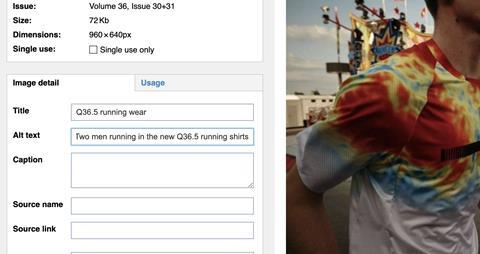
- Alternative text for images and product visuals
- Keyboard navigation functionality
- Sufficient color contrast in design
- Captions or transcripts for videos
- Clear and logical structure for content and navigation
- Error identification and suggestion mechanisms for forms
Importantly, not only webshops, but blogs, landing pages and mobile applications connected to the customer journey are affected. Even interactive product guides or embedded videos need to meet accessibility criteria.
What companies should do now
Companies should begin auditing their digital offerings now to avoid legal and reputational risks. Here are key steps:
1. Conduct an accessibility audit
Assess all consumer-facing digital interfaces – webshops, brand websites, mobile apps and support pages. Free tools such as WAVE and Google Lighthouse can offer a first impression, but a full audit by accessibility experts is recommended.
2. Fix the basics
Common issues include missing alt-text, poor keyboard navigation and low contrast. Prioritize fixing problems on high-traffic or transactional pages first.
3. Plan for new content
Ensure that your content workflows include accessibility by design. This applies to blog articles, product videos, event pages and campaigns. For instance, all videos should include subtitles and transcripts from now on.
4. Train internal teams
Designers, content editors, developers and marketers need to understand what accessibility means in practice. Internal guidelines should be updated accordingly.
5. Document your compliance
Keep records of your accessibility audit and improvements. This helps mitigate risks in case of audits or complaints and demonstrates proactive compliance.
Are social media and third-party tools affected?
Social media channels are not directly covered under the EAA, but embedded content from platforms such as YouTube and Instagram on your website is. Brands should also apply best practices to social posts, such as using alt-text on images and descriptive captions, to remain inclusive and avoid consumer backlash.
Who is exempt?
Some microenterprises (fewer than ten employees and under €2 million annual turnover) may be exempt from some requirements. However, these exemptions vary by member state and often don’t apply to growing DTC brands. Large retailers and manufacturers should assume full compliance is necessary.
Penalties for non-compliance
Penalties will be defined and enforced at the national level but may include fines, withdrawal of services or exclusion from public contracts. Additionally, non-compliance poses a reputational risk, especially for brands that publicly position themselves as inclusive or athlete-focused.
Accessibility is not just a legal checkbox
Beyond compliance, accessibility improves the customer experience for all users – including older adults, users with temporary impairments and those using mobile devices under difficult conditions (e.g., bright light, poor connection). In the increasingly competitive sporting goods market, inclusive digital design is also a differentiator.
More on the EAA.