Japanese biotechnology start-up Spiber has introduced the “Biosphere Circulation Program,” a breakthrough method for upcycling biobased and biodegradable textile and agricultural waste through the use of the company’s proprietary fermentation technology. The main objective of the program is to develop a global solution to produce fully recyclable textile products that can be regenerated at the end of their life cycle into an innovative protein material called Brewed Protein™.
Purposeful recycling is a challenge
The textile industry faces the challenge of recycling textiles. According to the Ellen MacArthur Foundation, less than 1 percent of discarded textiles were recycled in 2017 for new textile applications. The actual current percentage is not likely to be much higher. Spiber is aware of the challenges associated with recycling textiles for end use and says it is devoting significant resources to developing a comprehensive circular infrastructure with the goal of long-term commercialization. The company has tested various types of fibers, dyes and processing chemicals used in the manufacture of apparel products to determine what can be efficiently converted into nutrients. This information is feeding into the development of textile product requirements that will be published in the near future to ensure that the industry has the necessary tools to adopt this innovative process.
The aim is reuse, not disposal
Spiber’s longtime partners, Pangaia and Goldwin, are the first to already join the Biosphere Circulation program, which transforms discarded clothing and textiles and agricultural byproducts into nutrients for microbial fermentation and the production of novel protein materials. The collaboration aims to catalyze the transition from a linear “take-make-use-dispose” model to a circular “take-make-use-reuse” model.

First products with early partners to provide data
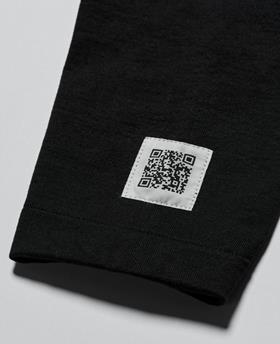
As a first step, Spiber has partnered with Goldwin to develop a demonstration product to identify potential challenges that need to be solved to advance the guideline for developing a fully recyclable end product that the fashion industry can adhere to. Both brands will help Spiber gather valuable data and develop a comprehensive product design guide that will enable the decomposition of garments into biological nutrients that can then be used as resources for the production of upcycled materials. In addition, the brands will contribute to the further development of product design guidelines that are applicable to a wide range of garments and encourage industry-wide adoption of this sustainable approach.
Spiber’s first demonstration product, produced by Goldwin to identify challenges in producing compliant products suitable for microbial fermentation, was unveiled at the Future Fabrics Expo in London on June 26. You can explore the product on a demo website, available until July 26: www.b-source.co.
Industry is invited to join in
Spiber invites industry stakeholders to join the project to implement the technologies, infrastructure and policies needed to realize this vision of a circular ecosystem of industrial materials that are biobased, biodegradable and used as nutrients at the end of their life.
For more information about the Brewed Protein fibers, visit Spiber’s sustainability website.