

Buffett to step down at Berkshire in early 2026
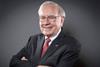
In his annual letter, Warren Buffett says he will step aside “at the start of 2026” and indicates co-CEOs Ajit Jain and Greg Abel as successors at Berkshire Hathaway.
You’ve read your 2 free articles this month
Register a free account or login to unlock 3 more articles each week
SIGN-IN if you are already a subscriber of SGI Europe.

Register today and unlock 3 more articles each week
See what industry leaders read every day:
- Curated industry intelligence you won’t find anywhere else—selected from 500+ sources
- Exclusive interviews, case studies, and consumer insights on emerging markets and trends
- Expert analysis on corporate moves, financials, retail trends, regulation, and innovation
- The Daily Digest —essential sporting goods news delivered every morning
Already a subscriber? Sign in
Ready for unlimited coverage?
Upgrade to Professional or Premium for unlimited access to exclusive reports,
C-suite interviews, market analysis, and industry-wide research—with team licensing included.
Already registered? Sign in here

Intelligence, analysis and advice for the global sporting goods industry.
TOPICS
Corporate and FinancialRetail and Supply
Marketing
Consumer
People and HR
Events and Trade Shows
Legal
CSR and Sustainability
Technology and AI
Asia-Pacific
Athlete economy
China and APAC
MARKET ANALYSIS
Analysis and dataIndustry Scorecards
Reports
Case Studies
SERIES and SPECIALS
FIFA World Cup 2026Winter Olympics 2026
Circular Economy
Impact of Sports
Redefining CSR 2025
SUBSCRIPTIONS
Membership plansFAQs
ASK SGIE AI
For premium subscribersABOUT US
About usNewsroom and Contacts
Media solutions
- COPYRIGHT © EDM PUBLICATIONS GMBH
- Contact Us
- FAQS
- Terms and Conditions
- Privacy & Cookies Policy
- Impressum
- Issues
- Topics A-Z