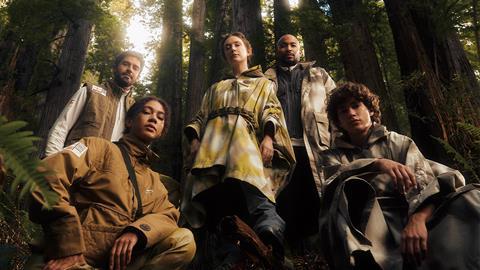
Portland-based Columbia Sportswear is returning to the Star Wars universe with its most expansive capsule to date: The Endor Collection, a 20‑piece lineup that merges screen‑inspired design cues – Han Solo’s trench, Luke and Leia’s camo ponchos, Rebel troop uniforms – with the brand’s performance tech, including Omni‑Heat Infinity and Omni‑Tech.
The collection is rich in lore-coded “easter eggs,” from Endor’s planetary coordinates and Aurebesh messages to Rebel insignia details. Early access for Greater Rewards members starts Dec. 11 at 6:30 am PST on columbia.com/StarWars, followed by a general drop at 7:00 am PST and select US stores.
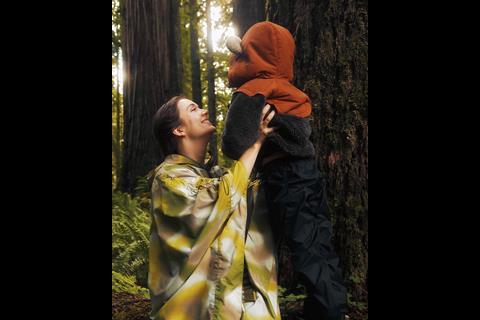
The campaign features Billie Lourd – who plays Lieutenant Connix in the sequel trilogy and is the daughter of Carrie Fisher – shooting in the redwoods with her children, including youth Ewok fleeces. Lourd calls the project a personal tribute: “Finding new ways to honor my mom’s legacy … is something that means so much to me.”


Context: a brand in “bold mode”
The collection arrives on the heels of Columbia’s tongue‑in‑cheek “Expedition Impossible” challenge to Flat Earthers, an adam\&eveDDB activation under the “Engineered for Whatever” platform. CEO Tim Boyle’s open letter in The New York Times dares believers to photograph the literal “edge of the Earth,” promising $100,000‑valued office assets if proven – an irreverent tone designed to showcase durability while stoking social buzz across Reddit and YouTube.
Wider trend: sport brands and space
Columbia’s cinematic Endor story and “edge‑of‑the‑Earth” banter land as Decathlon unveils EuroSuit, an intra‑vehicular space‑suit prototype co‑developed with CNES, MEDES, and Spartan Space, designed to be donned and doffed in under two minutes and slated for ISS tests in 2026 with ESA astronaut Sophie Adenot.
From space tech to sportswear – and back again
Technology, marketing and human imagination go together: sportswear has a historical debt to research carried out on insulating materials for space. NASA’s development of memory foam in the 1960s for aircraft seats later found its way into running shoes, while the reflective metallic “space blankets” created for Apollo missions inspired thermal insulation technologies.
Other examples: Nike’s Air technology was originally inspired by aerospace engineering concepts. Gore-Tex, widely used in outdoor apparel, evolved from research into materials for spacesuits. Moisture-wicking fabrics drew from cooling garment technologies developed for astronauts.
Today, the relationship has reversed – sports brands now use their own R&D to collaborate with the growing public and private aerospace sector, as demonstrated by Columbia’s Omni-Heat Infinity materials wrapping Intuitive Machines’ Odysseus lunar lander. And since space has once again become a talking point – between Martian ambitions and, unfortunately, scenarios of real space wars – marketing inevitably follows.
Space still makes us dream: the imaginary and the real alike.