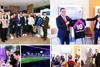
Brussels hosted the FESI General Assembly on December 11 at Anderlecht Lotto Park Stadium, marking the start of a new governance cycle for the European sporting goods sector. The meeting included elections for the presidency, appointments to the Executive Committee and Board of Directors, and strategic discussions shaping FESI’s 2025–2028 mandate.

FESI members elected Michael Nendwich as FESI’s new president. Nendwich is Managing Director of VSSÖ, the Austrian Association of Sporting Goods Producers and Retailers, and Executive President of FEDAS, the European Federation of Sporting Goods Retailers. He has served as FESI vice president and treasurer since 2022. He succeeds Neil Narriman, whose leadership strengthened the association’s foundations.

“This is a pivotal moment for the sporting goods industry,” Nendwich said, citing challenges such as evolving online marketplaces, global trade uncertainties, funding gaps for grassroots sport, and climate-related risks. He emphasized opportunities in AI-driven innovation and the sector’s role in promoting physical activity across Europe.

The Assembly also welcomed new Board members from companies including Columbia, ASICS, Fanatics and Decathlon, reflecting growing engagement from major brands.

In the afternoon, EU Commissioner Glenn Micallef addressed delegates, stressing sport’s role in social cohesion and well-being. He warned that “more than 45% of people in the EU never exercise,” and outlined priorities for the upcoming EU Strategy on Sport, expected in late 2026.

A roundtable featuring representatives from UEFA, EuropeActive, ISCA and other stakeholders explored funding for grassroots initiatives, cross-sector collaboration and accessibility to sport for all citizens.

With renewed leadership and closer ties to EU institutions, FESI aims to position the sporting goods industry as a key partner in shaping Europe’s sport and sustainability agenda.

FESI General Assembly

Source: FESI Press Room

About FESI

Founded in 1960, FESI represents around 1,800 sporting goods manufacturers—85% of the European market—through national federations and direct members. The industry employs over 700,000 people in the EU and generates €81 billion in annual turnover. Visit: fesi-sport.org