The current geopolitical situation is tough for brands and manufacturers alike. To get a better picture of what companies are currently planning we’ve spoken to Glenn Barrett. As CEO of Ortholite, which has partnered with over 550 footwear brands, Barrett knows and can compare how the stakeholders in the industry are reacting to the “tariff situation”.
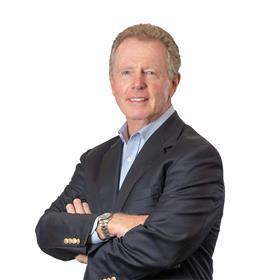
SGI Europe: Let’s start with your own strategic planning. What conclusions have you drawn from the geopolitical situation?
Barrett: OrthoLite has a unique vantage point on today’s geopolitical climate. Over the past 28 years, we’ve built a global footprint of our own vertically integrated manufacturing facilities in Vietnam, India, Indonesia, Europe, China and Brazil. What’s more, we work with over 550 footwear brand partners. That connects us to many moving pieces in today’s challenging supply chain and business environment. Being able to adapt quickly and continue delivering for our partners worldwide is a key part of OrthoLite’s value equation and always has been. We’re staying very close to our customers to learn how we can support how they must change and evolve how they source, manufacture and commercialize their products.
For the past five-plus years, we’ve seen many footwear brands diversify their global manufacturing footprints; we know we’ll continue to see that going forward. We’re seeing a lot of brands that manufacture in China working hard to diversify. OrthoLite has evolved our manufacturing footprint alongside our customers. We are where they need us to be. This enables us to support multi-sourcing and flexible supply chain strategies. OrthoLite customers have the ability to move their manufacturing to our factories in different regions, and in doing so, they experience the same benefits of working with us, no matter which one of our factories they want to move to. That consistency and reliability is risk mitigation. It’s very valuable in business environments like the one we’re operating through. We work every day to continue to improve it and be our best for our customers.
What solutions have you discussed? Are there any immediate actions you’re taking?
OrthoLite is in consistent communication with our brand partners as the tariff situation continues to take shape. Our sales and CS teams continue to participate in town-hall meetings and global sourcing strategy sessions. Some of our customers are making decisions to pull forward orders to stay ahead of anticipated shifts with tariffs and shipping. OrthoLite leverages real-time insights from our local teams in our regions of manufacturing to monitor government responses and quickly adapt operations. This agile approach ensures OrthoLite continues to fulfill orders and minimize disruptions for consumers despite ongoing tariff uncertainties.
What changes have your customers on the brand side made?
There is still a lot of waiting and seeing out there, as we’re in a period of uncertainty with negotiations taking place. All of our customers are considering planning changes and looking toward the back half of the year. The brands must manage their sourcing and manufacturing as well as retail doors, so it’s a big challenge on many fronts.
Are there any medium and long-term changes that will affect production, locations and countries where you produce and source?
As I said above, brands have been shifting production from China to countries like Vietnam, Indonesia and India, driven by the expectation that reaching a new trade agreement with China may take longer than with other Southeast Asian manufacturing hubs. At OrthoLite, we’ve long supported our brand partners in planning these global transfers as part of their risk mitigation strategies, so many are well-positioned to manage current tariff disruptions.
Read on: All things tariffs – our carefully updated timeline