Nike’s push to reverse a prolonged sales slide is now drawing directly on LVMH’s executive bench.
Nike has named Alexandre Arnault, deputy chief executive of LVMH’s Moët Hennessy wines and spirits division, to its board of directors, the company confirmed this week. The move places a career brand-builder from the world’s largest luxury group inside Nike’s boardroom at a moment when the sportswear giant is still working to stabilize revenue and rebuild its retail edge.
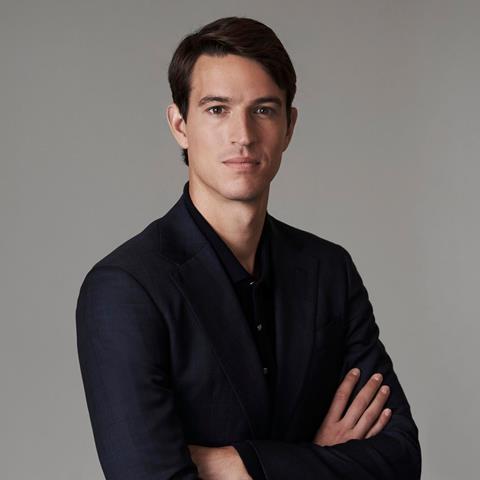
Arnault has held the Moët Hennessy post since February 2025. Before that, he spent four years as executive vice president of product, communications and industrial at Tiffany & Co, where he was credited with helping revitalize the jeweler’s brand identity. He arrived there after four years as chief executive of Rimowa, the German luggage maker, a role that followed his work steering LVMH’s acquisition of the company. Before that, he worked on technology investment and digital strategy for LVMH and Agache, following earlier stints at McKinsey & Company and KKR.
The appointment extends a family footprint that already spans some of the most recognized names in global business. Arnault, the son of LVMH chief executive Bernard Arnault, sits on LVMH’s own board and serves as a trustee of The Museum of Modern Art in New York. He has previously held board seats at Carrefour, Birkenstock and Moncler. He is a graduate of Télécom Paris and holds a master’s degree from École Polytechnique.
Nike described the hire as a governance and brand-strategy move rather than a financial one. “Alexandre has earned a reputation for helping iconic global brands evolve, innovate and grow in a changing, complex marketplace,” said Mark Parker, Nike’s executive chairman, who framed the appointment as part of the company’s approach to board succession and governance.
President and chief executive Elliott Hill, who took the top job in late 2024, was more direct about what he expects Arnault to bring. “Alexandre understands how some of the world’s most influential brands stay relevant, deepen consumer connections and drive long-term growth,” said Hill, citing Arnault’s background in innovation and digital transformation as a strategic asset for Nike.
The SGIE take
Arnault’s arrival is not part of a routine board refresh: Nike is not short on retail or footwear expertise in its own ranks. What the company has lacked, judging by what Hill and Parker said in announcing the move, is recent, hands-on experience restoring a heritage brand’s cultural relevance without sacrificing premium positioning. Hiring an LVMH insider also gives Nike a direct line into how the luxury sector thinks about scarcity, storytelling and brand equity: tools a company built on mass distribution has had to relearn as it tries to defend margin.