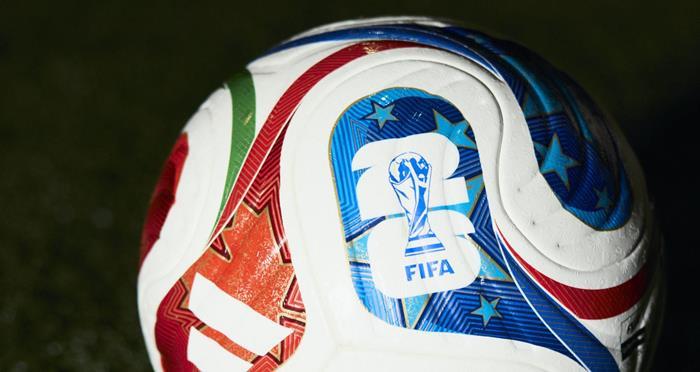
Spain and Argentina wore its kits in the final, and so the referees, and some half-time performers, not to mention the match ball, and adidas is happy to let that stand in for a trophy of its own.
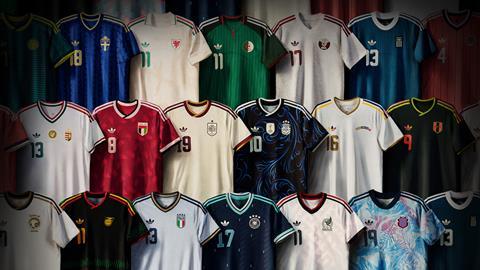
The 2026 World Cup has delivered adidas one of its strongest tournament merchandising performances in recent memory, and the company is already reflecting that strength in its guidance rather than waiting for final confirmation. adidas told Bloomberg News over the weekend that it sold four times as many World Cup jerseys and twice as many match balls as at the previous tournament, prompting it to lift its full event related sales outlook to the top of its previously targeted range.
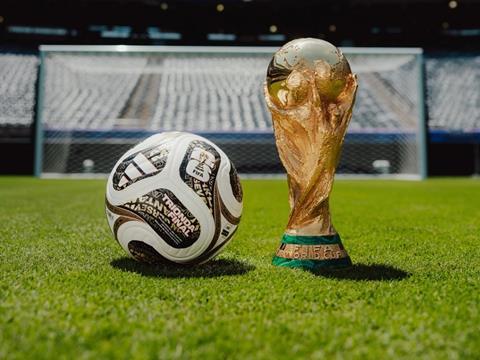
Guidance moved to €1.5bn
Björn Gulden, adidas’ chief executive, said the company now expects about €1.5 billion (around $1.7bn) in World Cup related sales. The figure includes football inspired streetwear alongside kit and ball sales, and is above the more than €1bn adidas had guided to previously. Gulden called the presence of both finalists, and the match officials, in three stripes “more than we could have wished for,” a notable comment from a brand that holds the official partner and sponsor rights to the tournament itself, not just to individual federations.
Worth noting for scale: FIFA estimated that more than 1.4 billion people watched at least a minute of the 2022 final between Argentina and France, with an average global audience of 571 million. Aggregated global figures for the 2026 final are not yet available, but early national numbers suggest this year’s audience may exceed 2022’s: the BBC reported a peak UK audience of 15.8 million for Spain’s win over Argentina, while Germany’s ZDF recorded 17.36 million viewers, in both markets without a home team competing in the match.
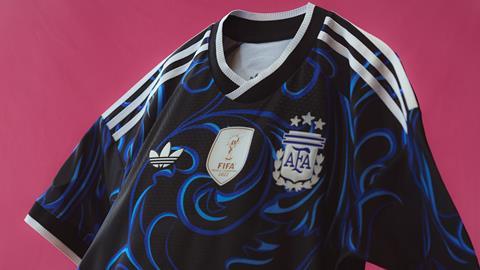
adidas outfitted 14 national teams this cycle, and both finalists, winners Spain and runners up Argentina, wore adidas kits, as did the referees. The visibility generated by having both finalists and the officials in adidas kit for a final of this scale likely contributed to the company’s decision to raise its outlook.
Mexico outsold the finalists
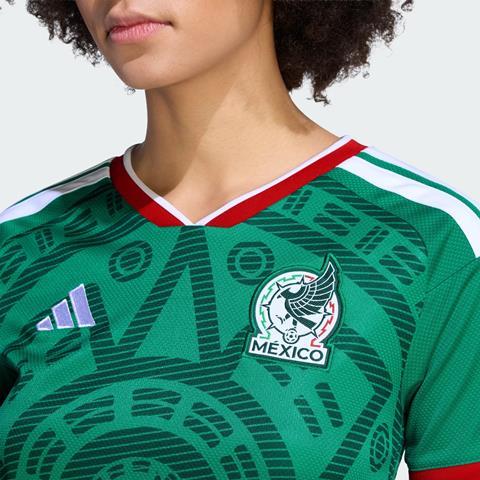
The biggest jersey seller of the tournament was not one of the two finalists. adidas reported that Mexico’s jersey topped its sales chart, narrowly ahead of Argentina’s, with Spain’s also performing strongly. It is a reminder that shirt sales track fan base size and diaspora reach as much as they track results. Mexico’s commercial pull in the sizable US Hispanic market has outstripped its on pitch performance in past cycles too.
Beyond the core kit business, adidas’ US retro jersey line, a denim inspired design referencing the 1994 World Cup held in the country, ranked among the brand’s best performing apparel launches of the summer. That suggests the World Cup halo extended into nostalgia driven categories unrelated to results on the field.
The scoreboard against Nike and PUMA
The tournament also doubled as a proxy contest among the three largest kit sponsors. Nike dressed 12 national teams, including France and England, but none of them reached the final. PUMA was third with 11 teams, with Morocco and Switzerland both advancing to the quarterfinals. On pure jersey commerce, none of that necessarily dents Nike’s or PUMA’s businesses. Kit deals are priced and structured well before a ball is kicked.
But for adidas, having the eventual champion, runner up, and officials all in its kit gives the guidance increase a credibility that sales figures alone would not carry.
Demand outran supply for at least one kit
The one thread that complicates the growth story is fulfillment. While several adidas World Cup jerseys were discounted by as much as 50% online in the tournament’s later stages, Spain’s authentic home shirt sold out entirely on adidas’ own site, with only replica versions still available in adult and kids’ sizes. Demand for Spain specific product appears to have accelerated further after the team’s narrow win over Portugal and the rising profile of forward Lamine Yamal, whose named jerseys were reported to be selling out quickly.
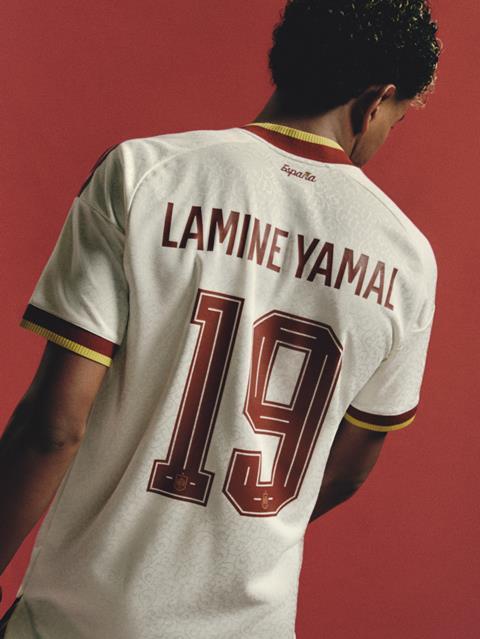
That combination, markdowns on some national kits alongside stockouts on others, may reflect the challenge of forecasting demand precisely across 14 sponsored teams rather than any shortfall in overall demand. Predicting which team’s shirt will still be in demand in the tournament’s final week is inherently difficult, and inventory built months in advance cannot fully correct for a late breaking storyline like Spain’s run or a breakout individual performer.
For adidas, the World Cup delivered a marketing outcome it could not have scripted better. Now the question is how not to let that momentum fade.
FIFA World Cup 2026: The Business of the Beautiful Game
How brands, retailers, and the sports economy compete on football’s biggest stage.
Explore Our Coverage →