The World Federation of the Sporting Goods Industry and Commonwealth Secretariat co-hosted a side event at the 79th World Health Assembly on May 20, making the case for embedding physical activity in national youth mental health strategies ahead of the 2026 Commonwealth Sports Ministers Meeting.
The World Federation of the Sporting Goods Industry (WFSGI) and the Commonwealth Secretariat co-hosted a side event at the 79th World Health Assembly (WHA) in Geneva on May 20, urging governments to embed sport and physical activity in national youth mental health strategies.
The data behind the pitch
Organisers pointed to a set of widely cited indicators.
Mental health conditions affect at least 13 percent of young people aged 10–19 worldwide. Anxiety and depression increased by 25 percent after the Covid-19 pandemic. At the same time, 81 percent of adolescents do not meet recommended physical activity guidelines, with gaps most pronounced in lower-income Commonwealth countries. Research presented at the session said regular physical activity can reduce symptoms of depression by up to 30 percent and can support cognitive function and social connectedness.
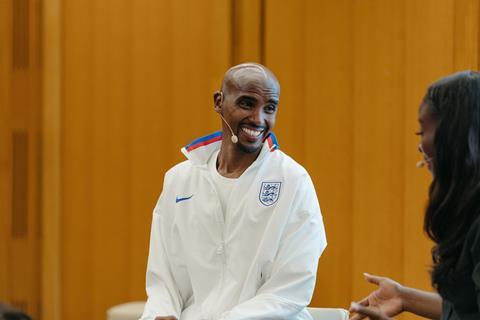
The session, titled Building Resilient Futures: Unlocking the Power of Sport and Physical Activity for Youth Mental Health in the Commonwealth, featured Sir Mo Farah, the four-time Olympic gold medallist and a National School Sport Champion and Save the Children ambassador. Speakers argued that in markets with limited access to formal mental health services, sport-based programmes can serve as a low-cost entry point for youth support.

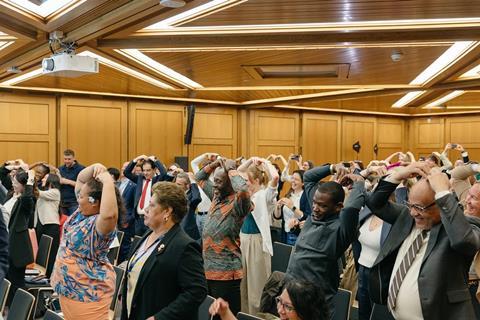

Caroline Fisher, global brand communications director at ASICS, presented examples of youth-facing platforms used in sport-based mental health initiatives.
From Geneva to Glasgow: turning a WHA side event into Commonwealth commitments
The event was positioned as a run-up to the 12th Commonwealth Sports Ministers Meeting on July 22 in Glasgow and the Commonwealth Heads of Government Meeting in November 2026. Attendees were asked to support commitments to integrate sport for development and physical activity into national youth mental health strategies.
WFSGI framed the push as a route to scale: member companies already reach young consumers through products, retail and community programmes, and a clearer policy mandate could support longer-term investment beyond stand-alone corporate social responsibility activity. With around 60 percent of the 2.5 billion Commonwealth population under 30, organisers said the potential reach of sport-based interventions is significa