When the Olympic flame arrives in Milan on February 5, 2026, ahead of the opening ceremony the following day, it will mark the start of what could become the most fashion-forward and economically transformative Winter Games in history.
Location matters. The selection of Milan alongside the storied alpine resort of Cortina d’Ampezzo has catalyzed an unprecedented convergence of sporting excellence and luxury branding. Unlike previous Winter Olympics, Milano Cortina 2026 is attracting an unusually broad coalition of commercial partners: traditional sporting goods manufacturers, haute couture houses making strategic moves into performance apparel, and lifestyle brands positioning themselves at the intersection of athleticism and aspiration.
This geographic combination has fundamentally altered the competitive landscape. Brands that might never have considered Olympic involvement are now launching capsule collections, opening pop-up installations, and signing athlete ambassadors.
The result is a Winter Games where the boundaries between technical performance gear, après-ski luxury, and high-fashion lifestyle branding have effectively dissolved – creating opportunities for established Olympic sponsors and newcomers alike.
From blackout to continuity: the evolution of the Olympic sponsorship rules
The 2026 Winter Games arrive with significantly relaxed commercial regulations that are transforming how brands can engage with Olympic athletes. The evolution of Rule 40 – which since 2012 created a “blackout period” restricting non-official sponsors, and was already retouched for the Paris 2024 Games – marks a watershed moment for athlete marketing.
For Milano Cortina 2026, the International Olympic Committee and national committees like the U.S. Olympic & Paralympic Committee have embraced a “continuity principle.” Personal sponsors can now maintain their presence during the Games, provided campaigns reflect pre-existing relationships and aren’t materially escalated during the competition window (January 30 to February 24, 2026).
The digital landscape has opened further. Athletes can post up to seven “thank you” messages acknowledging personal sponsors on social media during the Games – a structured liberalization that balances athlete empowerment with the value proposition of official sponsorship. While non-sponsors still cannot use Olympic intellectual property (the rings, mascots Tina and Milo, or phrases like “Road to Milano Cortina”), they can maintain visibility through their athlete partnerships.
The World Federation of the Sporting Goods Industry (WFSGI) – the primary industry body collaborating with the IOC on these updates – has played a critical role in steering the revised regulations. Their “Road to the Games” program specifically helps sporting goods brands (which provide the actual equipment athletes use) navigate these rules more effectively. We explore this partnership and its implications in greater depth in an interview with WFSGI´s Head of Athlete Storytelling, Ansley O’Neal.
The catwalk of the Alps: who’s wearing what
The Milan–Cortina setting has elevated team kits to unprecedented levels of sophistication – several have been described as couture-level designs. In recent months, these kits have appeared not only in sports outlets but also in fashion magazines. In an echo of Cold War-era politicization of sport, even political columnists have weighed in to celebrate or critique the style choices. Ten days ahead of the opening ceremony, here’s a look at who’s wearing what.
Team USA
Ralph Lauren: Marking its 10th consecutive Games, Ralph Lauren remains the “face” of Team USA. For Milano Cortina, the brand blends classic Americana with Italian sophistication. The Opening Ceremony look features a winter-white wool toggle coat and an American flag intarsia sweater, while the Closing Ceremony embraces a sporty, color-blocked puffer jacket inspired by vintage ski racing.
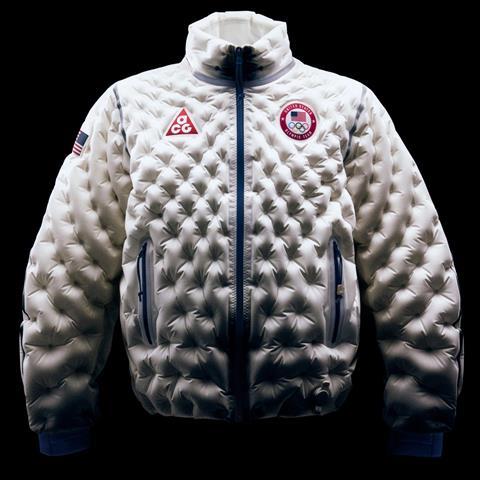
Nike: While Ralph Lauren handles the ceremonies, Nike outfits athletes for the Medal Stand. The “Victory Ceremony” uniforms feature the Nike ACG Therma-FIT Air Milano jacket – a technical piece that allows athletes to manually regulate their temperature through air-inflation technology. Nike also supplies most of the athletic footwear and training apparel used in the Olympic Village.
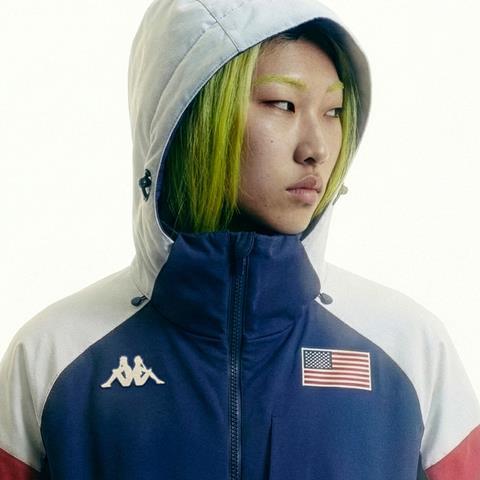
Kappa: In a historic move, Kappa is now the official technical partner for all 10 teams under the U.S. Ski & Snowboard umbrella – from Alpine and Freeski to Para Snowboarding. The uniforms feature Kappa’s signature “Omini” logo alongside patriotic stars and stripes, drawing direct inspiration from the 1984 Los Angeles Olympics and channeling that era’s distinctive American team aesthetic.
Columbia Sportswear: Continuing a long-standing tradition, Columbia is the official partner for USA Curling. Their 2026 kits are designed with high-mobility fabrics suitable for the unique demands of the ice, featuring a “250-star” motif to honor the upcoming 250th anniversary of US independence.
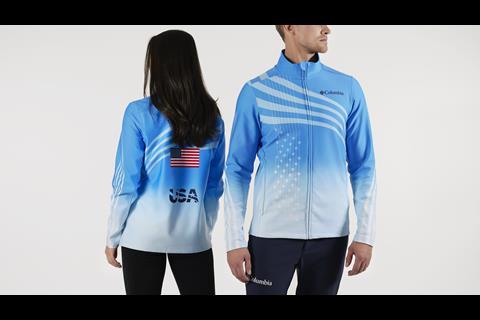
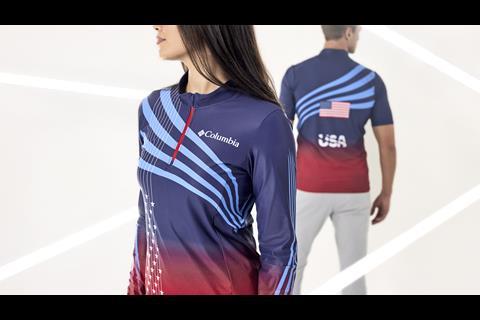
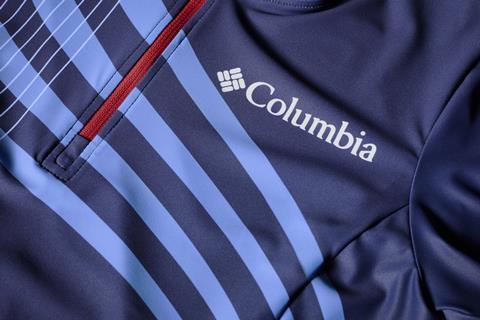
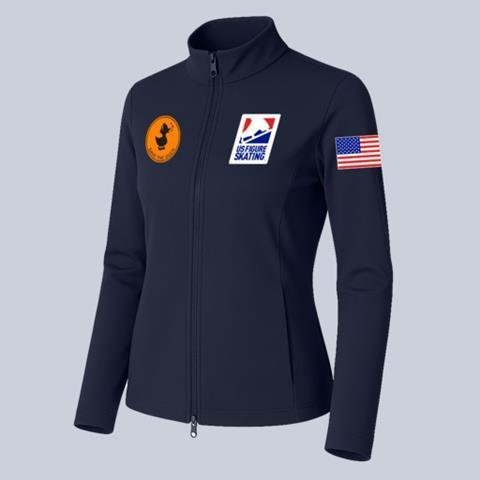
Save The Duck: In a nod to the Games’ Italian hosts and a growing emphasis on sustainability, Save The Duck has been named the official outerwear partner for U.S. Figure Skating. The Milan-based brand, renowned for its 100% animal-free and B-Corp certified garments, will provide the national team with high-performance parkas and “Smartleisure” tracksuits.
Beyond the field of play, Team USA’s lifestyle partnerships have evolved significantly. The most notable addition for Milano Cortina 2026 is Figs, which makes history as the first brand to outfit the Team USA Medical Team. Recognizing that “a 12-hour shift is an elite sport,” Figs has provided the doctors and trainers with technical scrubs and cold-weather gear engineered with their new FIBREx™ fabric – ensuring the people building the bodies that break records are as well-equipped as the athletes themselves.
Team Canada & Lululemon
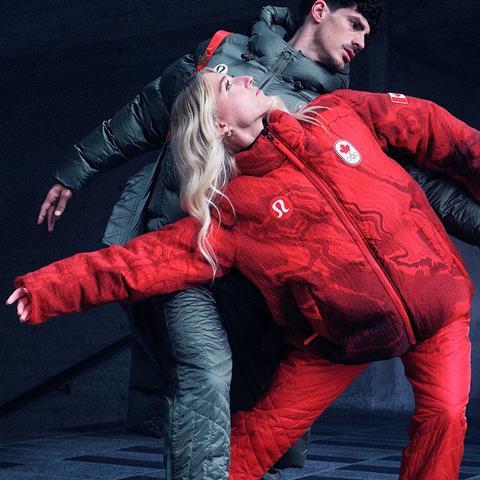
For Milano Cortina 2026, Lululemon has leaned into a “Northern Lights and Glaciers” aesthetic. The collection –headlined by “iceberg greens” and “glacier blues” for the Closing Ceremony – uses a sophisticated topographic map of the Canadian landscape as its primary visual motif.
While the kit has faced a “chilly” reception from traditionalists on social media who miss the classic bright red and white, it has been widely celebrated in the design community for its unprecedented focus on accessibility. By integrating magnetic zippers, braille touchpoints, and seated-fit silhouettes, Lululemon has established a new gold standard for Paralympic-inclusive design. For many, the most interesting release of the entire Games.
Team Italy & EA7 Emporio Armani
Twenty years after Turin’s success, Italy hosts the 2026 Winter Games to carry forward the torch of Italian excellence. EA7 Emporio Armani, the long-standing partner of Team Italia, has unveiled a “Milky-White” collection that pays tribute to the pristine snow of the Dolomites. Moving partially away from the deep “Azzurro” blue typically associated with Italian national teams, Giorgio Armani has chosen a palette of ivory and cream to emphasize a philosophy of “harmony, purity, and respect.”
Visualizza questo post su Instagram
Beyond fashion, those passionate about Olympic history and its social and political meaning will remember the 1956 Cortina Winter Olympics – where the USSR team debuted and immediately won more medals than any other nation, marking one of the moments that introduced the world to the Italian “Dolce Vita.”
Team Brazil & Moncler
In what is being hailed as the most audacious fashion play of Milano Cortina 2026, Moncler has returned to the Olympic stage after a 58-year hiatus. While the brand’s last official appearance was outfitting the French national team at the 1968 Grenoble Games, its return marks a symbolic homecoming to Italy – the country where the brand was transformed into a global luxury icon under the leadership of Remo Ruffini.
The partnership features technically advanced race suits from the Moncler Grenoble line, with curvilinear patterns and green-to-gold gradients that merge Brazilian samba energy with elite aerodynamics. For the ceremonies, the delegation will wear bespoke Moncler down jackets that favor high-fashion silhouettes over traditional athletic aesthetics. Already a viral sensation on social media, the partnership has made Brazil – a country with zero prior Winter Olympic medals – the undisputed leader in Olympic style.
Visualizza questo post su Instagram
Team Austria & Red Bull’s AlphaTauri
In a fusion of national pride (inspired by the Austrian Alps landscape) and cutting-edge fashion, AlphaTauri has stepped in as the official outfitter for Team Austria’s Olympic and Paralympic delegations. Known as the premium fashion arm of the Red Bull empire, AlphaTauri is providing the critical “thermal layer” for the Milano Cortina Games – a collection that bridges the gap between travel-ready tailoring and extreme-weather performance gear.
The 2026 kit, developed with direct input from winter sports icons like Anna Gasser, centres on a modular layering system engineered to combat the unpredictable climates of the Dolomites. The silhouettes are minimalist and clean, reflecting AlphaTauri’s brand DNA.
Visualizza questo post su Instagram
Team GB
For the 2026 Winter Games, Team GB is embracing a bold visual evolution that moves beyond its storied red, white and blue. Adidas has unveiled a performance kit defined by a “geometric mashup” of the Union Jack, punctuated by unexpected pops of pink.
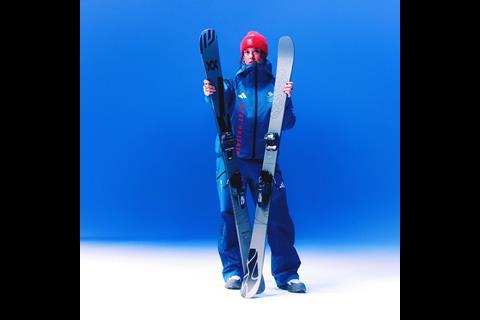
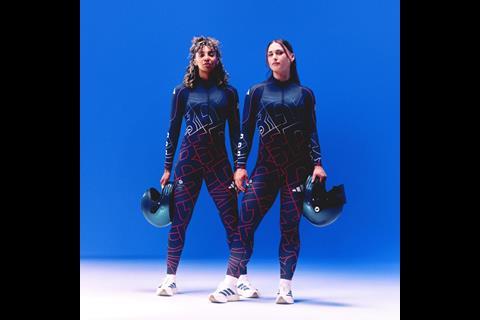
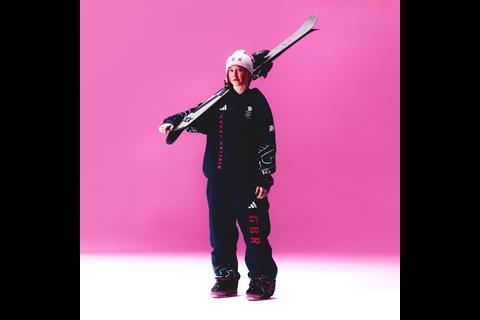
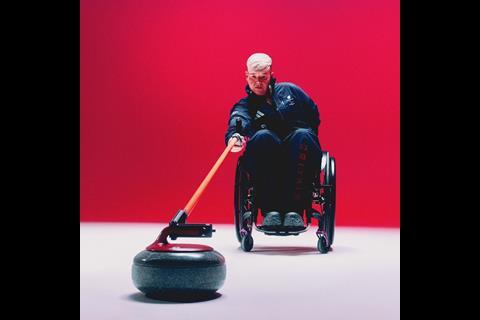
The true “Britishness” of the wardrobe, however, lies in the ceremonial wear. For the fourth consecutive Games, heritage brand Ben Sherman will outfit the delegation for the Opening and Closing Ceremonies.
Visualizza questo post su Instagram
Team Germany
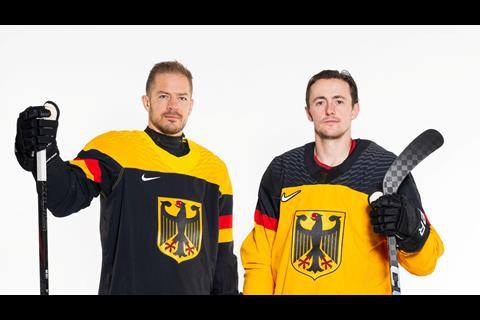
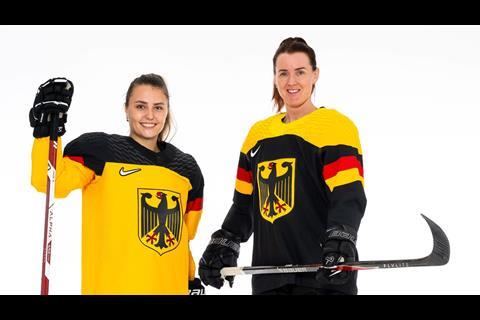
Adidas has outfitted Team Deutschland for over five decades, continuing to define the squad’s visual identity at the 2026 Winter Games. The Milano Cortina collection, titled “Inner Fire,” channels that spirit through its colour palette. Competition kits retain the striking black, red and gold of the national flag, while the “off-duty” village wear introduces ruby red and cream tones that mirror the warmth and passion of the athletes.

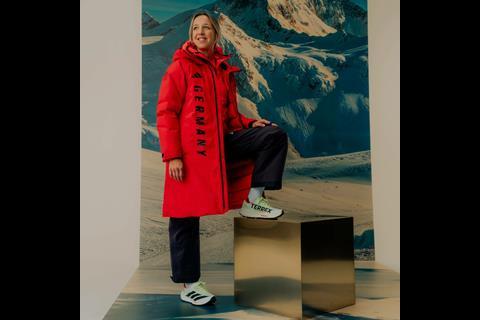
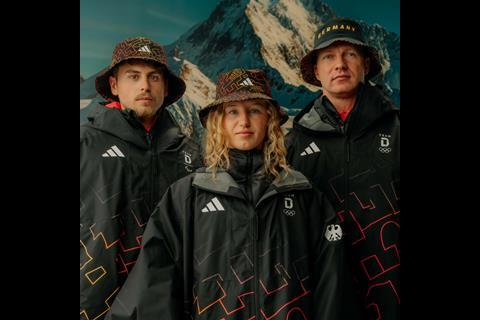
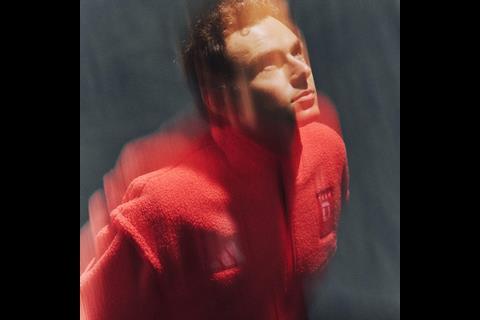
Drawing on the rugged engineering of its TERREX outdoor division, Adidas has prioritized functional inclusivity. The brand collaborated with Paralympic stars to ensure the 70-piece collection – from Primeknit thermal jackets to modular headwear – is accessible to every delegation member.
Team Norway
Few partnerships are as enduring as the bond between Team Norway and Dale of Norway. For the 2026 Games, this relationship comes full circle: seventy years after Dale provided the first official Olympic sweater for the 1956 Cortina Games, they return to the same Italian slopes with a modern masterpiece.
The 2026 “Cortina” sweater is a high-tech reimagining of the 1956 icon, blending heritage Norwegian wool with a skin-soft merino interior. The pattern remains rooted in ancient Viking symbols of protection and resilience, but the silhouette has been updated into a sleek, half-zip “alpine-fit” mid-layer.
Team Iceland
As Team Iceland celebrates its 100th anniversary in 2026, heritage outerwear label 66°North has reclaimed its role as national outfitter, supplying a kit that bridges the brand’s origins in North Atlantic rigour with continental luxury. The dominant colour is snow-white, complemented by pieces featuring gradient zippers and patriotic insignias that honour the Icelandic flag.
Visualizza questo post su Instagram
Team Japan: The Fluidity of “Ryusui”
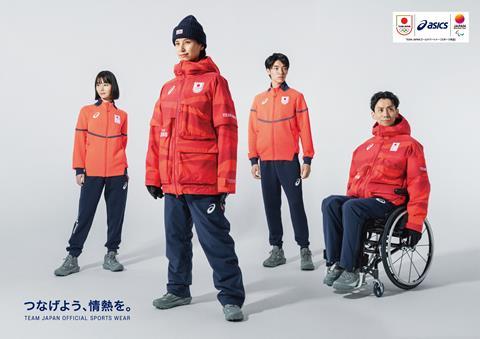
For Milano Cortina 2026, Asics has crafted a visual narrative of resilience and renewal for Team Japan. The collection centers on the “Ryusui” (flowing water) motif – a traditional Japanese pattern symbolising an athlete’s ability to navigate challenges with grace and constant forward motion.
The kit features a vibrant “Sunrise Red” gradient transitioning into light orange, capturing the energy of a new dawn whilst maintaining visual continuity with Japan’s recent global appearances. Beyond aesthetics, the collection represents a triumph of circular design: crafted from recycled materials, it minimises environmental impact without compromising the high-performance breathability required for ice and snow.
Looking ahead
This list isn’t exhaustive, but it is revealing. Performance will decide who wins gold on the slopes or captures hearts without medals. Brand memorability and merchandise sales will determine whether this runway – which attempts to showcase the best brands can offer while balancing heritage, modernity, avant-gardism, accessibility, inclusivity, national pride and universal values – also delivers gold for the sporting goods industry. Meanwhile, the first gold medalist has already emerged: Italian tourism.
According to a Banca Ifis study, Italy projects a €5.3 billion economic impact from Milano Cortina 2026. This breaks down to €1.1bn in immediate spectator and operational spending, €1.2bn in extended tourism over 12–18 months, and €3bn in long-term infrastructure value. The Games will attract 3,500 athletes from 90 countries, 2.5 million spectators, and an estimated 3 billion television viewers globally, who will join – in person or via screens – the longest “catwalk” ever built, stretching 400km from Milano to Cortina d’Ampezzo.
The Milano Cortina 2026 Winter Olympic and Paralympic Games run from February 6-22 and March 6-15, 2026.
Winter Games 2026
Podiums and Products
How sporting goods companies partner with athletes and compete for Olympic success—products, activations, messaging, and strategies.
EXPLORE THE SERIES