For years, sponsors of Olympic athletes went silent at the peak moment of their careers - just when they needed their sponsors most. Olympic Marketing restrictions limited them from celebrating their athletes during the Games, forcing brands to pull back investment precisely when it mattered.
Now, that’s changing. The Road to the Games, a pioneering initiative between the World Federation of the Sporting Goods Industry (WFSGI) in partnership with the International Olympic Committee (IOC) and the International Paralympic Committee (IPC), is unlocking athlete storytelling, re-energizing brand investment, and helping the Olympic and Paralympic movement connect with Gen Z.
To understand how this transformation came about and what it means for the industry, SGI Europe sat down with Ansley O’Neal, WFSGI’s Head of Athlete Storytelling and the driving force behind The Road to the Games. From navigating the complexities of Rule 40 to building a framework that works for mega-brands and sport-specific companies alike, O’Neal breaks down how the initiative is changing the game, and why the timing couldn’t be more critical.
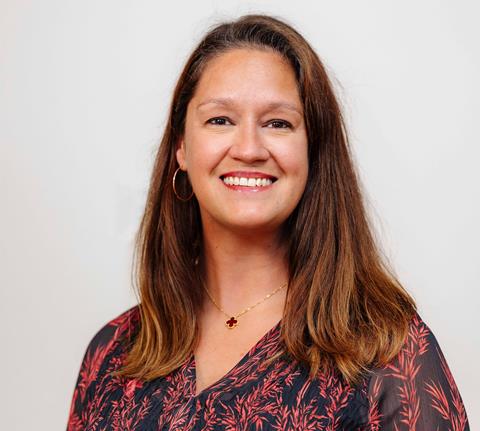
Ms. O’Neal, let’s start with the Road to the Games. Can you walk us through what it is and what it was designed to do for the industry?
Ansley O’Neal: The Road to the Games is a first-of-its-kind athlete storytelling initiative for the industry. It’s focused on empowering sporting goods brands to run athlete-focused marketing campaigns before, during, and after the Olympic and Paralympic Games, something that wasn’t possible in the past. It’s about helping brands better celebrate the athletes and teams they support, to increase their profiles and excitement about the Games, in compliance with the IOC and, on the Paralympic side, IPC rules.
When you look into athlete marketing around the Olympics, you quickly stumble upon Rule 40. It governs how and when athletes and brands can communicate commercially during the Games – and in the past, that often meant: not very much. Where did Rule 40 begin to struggle?
Around the time of London 2012. Before that, there wasn’t a lot of regulation around what Olympic athletes and their sponsors could do in a commercial context. Over the intervening years, athletes became influencers and content creators and we started to look at how do we empower athletes in a meaningful way? How do we share the human side of the Games, support athlete storytelling, and do it responsibly, in a way that aligns with the values of the Olympic movement and helps amplify excitement about the Games, teams, and athletes? That’s what Road to the Games is about.
You mentioned athletes becoming brands in their own right. However, many Olympic athletes don’t earn significant income outside of the Games. Did that also influence how this project could help athletes?
From a commercial standpoint, you’re right. People aren’t worried about whether NBA players are making enough money. But we’re talking about swimmers, field hockey players, speed skaters, badminton athletes, the sports where the Olympic and Paralympic Games are the peak moment of an athlete’s career. So how do you make sure those athletes get real exposure at the most important moment of their careers?
In the past that often wasn’t happening. We’ve heard from brands that they would go quiet two to three months before the Games, which is when athletes need support the most. Brands told us they couldn’t invest in campaigns because of the restrictions, so they ended up spending their marketing budgets elsewhere instead of on their athletes. I think we are all aware of the value of empowering athletes and recognize not just the power of the Olympic brand, but the power of the athletes themselves, who really make up the Games.
What role did WFSGI play in bringing this project to life?
As the global trade association representing the industry’s interests towards the IOC as a Recognized Organisation we’ve worked collaboratively with our IOC colleagues for many years to identify the best way to allow sport brands who invest in the Olympic and Paralympic movement to tell athlete stories and elevate their profiles and excitement about the Games.
The conversations had been happening for a long time, and many factors like social media, changing media behavior and COVID really pushed things forward. The way people connect and work has evolved, and that helped bring everything together in 2023.
Did athletes have a say in shaping the framework?
Athletes have been part of the process, primarily through the feedback brands receive from them. One of the clearest messages was that athletes don’t like having their sponsors go silent before and during the Games. They want to be able to celebrate themselves and be celebrated. There was also frustration around missed commercial opportunities. We’ve also asked athletes for feedback on the project itself, and the response has been very positive. They’re engaged, they’re excited, and the IOC’s Athletes’ Commission has been involved throughout.
The initiative kicked off with The Road to Paris in 2024, the brands involved being big household names. Do you expect other brands to feature in future editions?
Paris was a pilot project. Milano Cortina is very different in that we have a lot of equipment brands, and a lot of sports specific brands now in the project. We’ve adjusted the eligibility criteria slightly, to the benefit of the project, because good marketing can come from anywhere. You don’t have to have the largest budgets to have the punchiest campaigns that elevate your athletes. We have brands involved in this project that only have one or two athletes, but their storytelling is great and unique.
We all want the best for the athlete and don’t want an athlete partnership deal that ends two weeks after the Games, right? That’s not really the spirit of a long-term partnership. That’s why there is a component of eligibility to be able to be involved in the project. Our job at WFSGI is to ensure that there is a diversity of representation because the companies who invest in Olympic and Paralympic athletes and teams are diverse. We have brands of all sizes from the industry who are supporting athletes day in, day out.
What did you learn from the Road to Paris pilot? What succeeded, what didn’t work as expected, and what adjustments did you make as a result?
I would say the big learning that came out of Paris was that this can actually happen. It’s complicated, but that’s fine. One of the challenges that we’ve addressed now is the diversity in companies for Milano Cortina. In Milan, we will have companies covering almost every single sport. Other than that, brands are taking notice. And I think the timing for this initiative and for companies to reinvest in athletes and teams is perfect.
You know, investments across the world, across sports sponsorship, were drying up a little because of COVID, because of the economy, of geopolitics. It’s a challenging environment to operate a business in right now, and all companies across the world, not just in sporting goods, are trying to figure out how to deal with this.
Looking at long-term success, how would you define or measure it? You’ve mentioned that interest is there and that brands are engaging, but are there specific indicators or numbers you look at?
We’ve already started measuring success with Paris. In our Road to Paris Brand Impact Report, we tracked the number of National Olympic and Paralympic Committees and athletes involved, and those figures are directly linked to sponsorship contracts and investment that happened because of the project. We’ve seen brands that were close to cancelling athlete partnerships instead reinvest and show up at a critical moment. For me, long-term success means seeing that investment continue to grow.
Beyond that, the social impact has been huge. Around Paris, the project generated about 3.1 billion social media engagements in just nine months. Every one of those represents someone connecting with an athlete, a team or a sport they might not have engaged with before. It’s not just about exposure, it’s about building interest, connection and, ultimately, encouraging people to be more active.
So, let’s say I’m a small brand and I want to get involved. What do I do?
If you’re a smaller, sport-specific brand, the first step is really to understand what you’re looking for from the project. Is it exposure, or is it about supporting the athletes you already work with? We need to understand who you are as a brand, how you support sport, and what kind of investment you’ve already made. If a brand has invested meaningfully in Olympic or Paralympic sport, it will often qualify.
That can include being an apparel partner to a National Olympic or Paralympic Committee, supporting an organizing committee, or participating in our solidarity project with the IOC/IPC, where brands donate uniforms to countries who need support. My advice is simple: invest in athletes, invest in teams, show the work you’re already doing year-round, and then let’s have a conversation.
One last, very important question: Looking ahead to the Games, which event are you most excited about?
That’s a tough one. I have a lot of favorites. I’m really excited about hockey. Despite growing up in the US, I didn’t actually get to see much of it live, and the energy is incredible. I’d also love to see figure skating, which is still relatively new for me. And of course, the downhill events. Seeing athletes like Mikaela Shiffrin or Lindsey Vonn compete is always special. I’m honestly excited for all of it.
Ms. O’Neal, thank you for taking the time to walk us through this initiative and its impact on the industry.
At SGI Europe, we’re excited to follow The Road to the Games and see how this framework continues to evolve: empowering athletes, reconnecting brands with the moments that matter, and helping ensure the Olympic and Paralympic movements remain relevant for the next generation of sports fans.
Go deeper:
- Our coverage of sporting goods brands at Milano Cortina
- More about the “Road to the Games” at wfsgi.org
Winter Games 2026
Podiums and Products
How sporting goods companies partner with athletes and compete for Olympic success—products, activations, messaging, and strategies.
EXPLORE THE SERIES