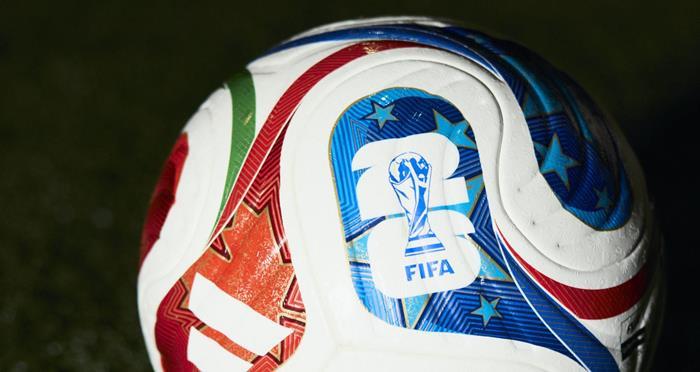
The 2026 World Cup arrives on U.S. soil to find a sport already mid-surge, and an industry asking whether it can hold the momentum.
The US Sports & Fitness Industry Association (SFIA) has released its Soccer Spotlight report ahead of the 2026 FIFA World Cup — and the numbers undercut a common assumption about how major tournaments drive the sport. The participation boom is already here. The question is what the industry does with it.
Outdoor soccer (football) in the United States reached 16.8 million participants in 2025, an all-time high and a 15.8% increase on the prior year. Indoor soccer climbed to 6.6 million, also a record. Both figures represent the largest single-year gains in 15 years of SFIA data.
The World Cup is not the growth engine. Access is
Three recent tournaments show a consistent pattern: World Cups inspire, but local conditions determine whether that inspiration translates into participation.
In 2014, Google searches for “soccer” peaked globally, yet outdoor participation in the U.S. fell 1.1%. In 2018, when the U.S. Men’s National Team(USMNT) failed to qualify, outdoor (-4.4%) and indoor (-3.1%) participation declined, underscoring the importance of national team visibility. In 2022, winter scheduling for FIFA World Cup Qatar suppressed immediate gains, but 2023 delivered a deferred payoff: outdoor participation rose 8.1%, and indoor participation rose 7.5%.
The 2026 tournament is structurally different from all three. It will be held in the U.S., Mexico and Canada, in summer, at the height of the outdoor season, with the USMNT competing. For the first time in recent cycles, inspiration and access are aligned.
The growth is coming from adults, Hispanic players and women
The composition of the surge matters as much as the headline totals. Since 2018, the market has broadened in ways that change how brands should think about product, retail and participation infrastructure.
| U.S. outdoor soccer — World Cup participation impact | ||
| Year-on-year change in outdoor participation (%) | ||
| Tournament | Year of | Year after |
| 2014 (Brazil) | -1.1% | +0.4% |
| 2018 (Russia) | -4.4% | +4.5% |
| 2022 (Qatar) | +3.7% | +8.1% |
| 2025* (U.S.) | +15.8% | – |
*2025 reflects pre-tournament participation (calendar year 2025, before June 11, 2026 kickoff). Year-after figure not yet available.
Source: SFIA Soccer Spotlight: 2026 U.S. Participation Trends Report.
Adult re-entry is real. Ages 35–44 grew outdoor participation by 118% from 2018 to 2025. Ages 45–54 expanded by 247%. This is re-engagement from the first US youth-soccer boom, not first-time acquisition.
Hispanic Americans are driving the biggest gains. Hispanic outdoor participation rose 60.4% from 2022 to 2025, from 2.6 million to 4.2 million. Hispanic players are now 75% more likely to participate than the US average. With host cities including Los Angeles, Dallas, Houston, Miami and Kansas City, the demand is geographically concentrated.
Women are closing the gender gap faster than expected. Female outdoor participation grew 65.5% from 2018 to 2025, outpacing male growth of 36.9%. Women’s share of the outdoor player base rose from 35.2% to 39.7%. SFIA links the trend to sustained USWNT visibility and the accelerating commercial development of women’s pro soccer in the US.
Casual growth is outpacing core retention
A compositional shift inside the headline numbers deserves attention. Since 2018, casual outdoor participation (1–25 sessions per year) has grown 68.5%. Core participation (26 or more) has grown 19.2%. As a result, core players’ share of the total base has fallen from 43.6% to 35.4%.
That is still a commercial opportunity. But broad, low-frequency growth is not the same as a durable participation base.
Casual players need lower-barrier access points. Core practitioners sustain the ecosystem: they pay annual league fees, buy multiple pairs of cleats, and generate the facility utilization that makes investment pencil out. US soccer is widening faster than it is deepening.
A strategic playbook for sporting goods businesses
For established players — equipment manufacturers, national retailers and professional league operators — the 2026 window is a conversion challenge rather than a marketing moment. The Hispanic adult re-entrant and the returning 40-something player are both high-intent, moderate-to-high income segments with specific product needs: adult-fit apparel, comfortable recreational footwear and flexible league formats. Brands with distribution depth in host cities and community-level activation capability will extract more commercial value than those running national broadcast campaigns alone.
For new entrants and growth-stage businesses — facility operators, recreational league platforms and digital coaching tools — the casual participation surge is the entry point, but the business model requires retaining more core practitioners by transitioning casual to core. Formats, pricing and onboarding that reduce friction in that transition are where durable market positions are built.
The full report
Report: Soccer Spotlight: 2026 U.S. Participation Trends, Insights & Growth Drivers Report. Published by: Sports & Fitness Industry Association (SFIA). Data scope: 15 years of U.S. participation trend data, outdoor and indoor soccer, segmented by casual/CORE frequency, gender, age, income, region, and ethnicity. Key reference year: 2025 (most recent). Publication date: 2026, ahead of the FIFA World Cup opening June 11, 2026.
FIFA World Cup 2026: The Business of the Beautiful Game
How brands, retailers, and the sports economy compete on football’s biggest stage.
Explore Our Coverage →