The best performance products are rarely built over email. LTP Group has built a space in Ho Chi Minh City where brands can make development decisions face-to-face, test ideas in real time, and compress a process that often takes months into a matter of weeks.
Anyone who has developed a performance garment knows the real cost of distance. A fit comment becomes a two-week wait. A fabric question becomes a shipped sample and a customs delay. Decisions that could be made in an afternoon, in a room, instead stretch across months of email threads, time zones, and sampling rounds. Each one adding cost, freight, and lost speed to market.
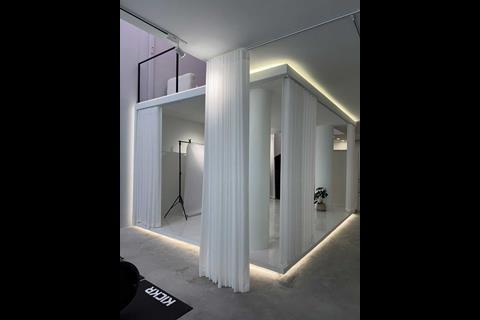
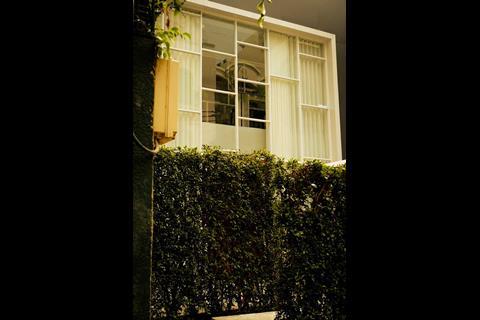
LTP Group’s answer sits down a quiet alley in District 3, Ho Chi Minh City. The company calls it the clubhouse, borrowing the idea that every sport has one: a place where the right people gather, test ideas against each other, and do better work because they’re in it together. By bringing development, material sourcing, fit reviews, and sample making into the same workflow, teams can move from discussion to physical product far more quickly than a traditional remote process allows.
It also reflects where the industry is heading. As performance apparel keeps growing — pushed by brands chasing global markets, more discerning consumers, and an ever-wider base of people living actively — Vietnam has moved from being a place where garments are made to a place where they’re developed. LTP’s clubhouse is a bet that the manufacturers who win the next decade won’t be order-takers; they’ll be co-development partners who can move at the speed of an idea.
Two weeks from brief to sample
The clubhouse is built around a simple idea: compress product development without requiring brands to relocate a team to Vietnam for weeks at a time.
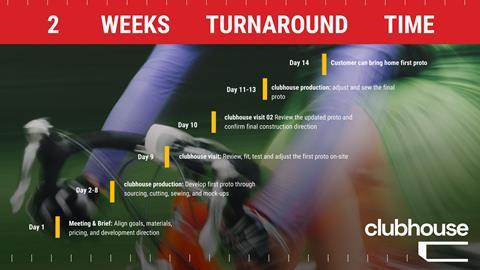
The full development cycle takes fourteen days. Most of the work happens between visits, allowing brands to stay focused on their day-to-day business while the LTP team develops the product on the ground.
Day 1: Online brief and alignment
The process starts with a remote meeting between the brand and the clubhouse team. Product goals, performance requirements, materials, target pricing, and development priorities are aligned before work begins. The outcome is a clear development brief and roadmap for the next two weeks.
Days 2–8: Development in motion
Once the brief is agreed, the clubhouse and factory teams begin development. Pattern making, sourcing, mock-up creation, cutting, and sewing move forward simultaneously. The first prototype takes shape while the brand remains off-site.
Day 9: First clubhouse session
The brand arrives at the clubhouse to review the first mock-up together with the development team. Fit, comfort, mobility, construction details, and performance requirements are assessed in person. Questions that would normally travel back and forth over email can be resolved immediately.
Day 10: Refinement and decision-making
Updated versions are reviewed together on-site. Adjustments are made in real time, allowing the team to validate changes and agree on the final direction before the sample is completed.
Days 11–13: Final sample development
With decisions locked in, the development team completes the sample, incorporates the agreed revisions, and prepares the garment for final review.
Day 14: Sample handover
The process concludes with a production-ready sample. Depending on the project, brands can either collect the sample during their visit or have it shipped directly after completion.
The result is a development cycle measured in days rather than months, while reducing the need for repeated travel and extended sampling rounds.
What actually happens inside
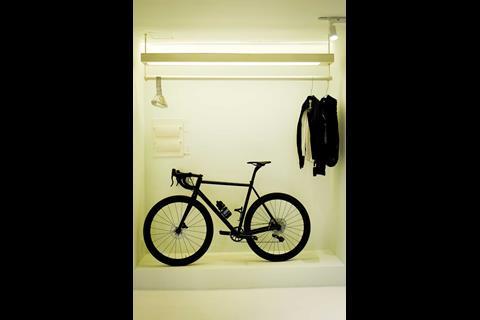
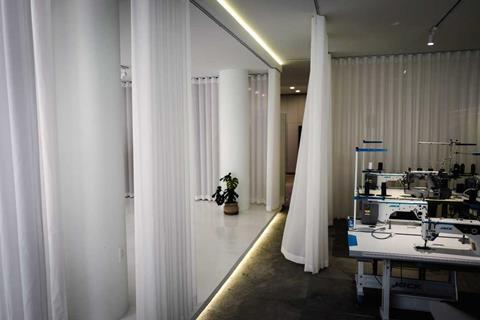
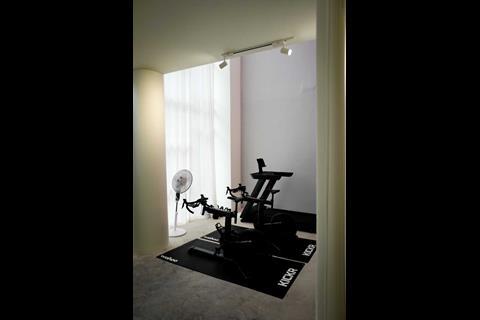
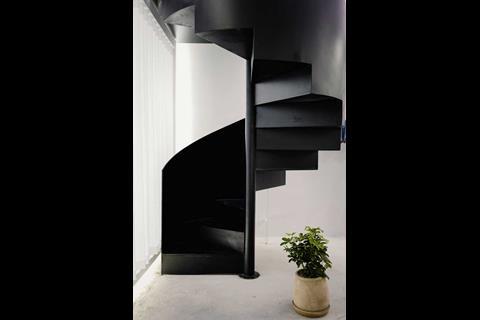
The clubhouse is designed as a working development space where creative, technical, and production decisions happen side by side.
Development typically starts with concept review, sketching, and construction planning. Ideas can be discussed, adjusted, and validated while the team is together, reducing the need for multiple rounds of remote feedback before sampling begins.
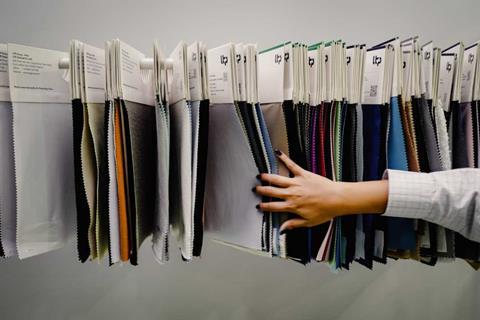
Materials are a central part of the process. Brands can work from their own sourcing direction or explore the clubhouse library, which includes a curated selection of new developments, proven bestsellers, and Made-in-Vietnam fabric and trim options. Having these materials on hand allows performance, aesthetics, pricing, and manufacturability to be considered at the same time.
Fit sessions take place directly alongside development. Pattern adjustments, construction changes, and technical refinements can be reviewed as they happen, helping teams reach decisions faster and with greater confidence.
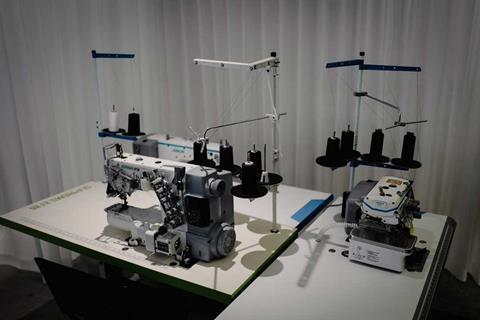
A dedicated mini production line connects development to execution. Cutting, sewing, construction testing, and sample revisions all happen within the same workflow, allowing ideas to move quickly from discussion to physical product.
Why Saigon
Vietnam has become one of the world’s leading hubs for performance apparel, with fast growth in technical fabrics, advanced machinery, and skilled production teams capable of turning complex ideas into reality. Alongside it, a new generation of Vietnamese streetwear and gorpcore brands is positioning Ho Chi Minh City — Saigon, as locals call it — as a genuine destination for technical fashion and creative garment development.
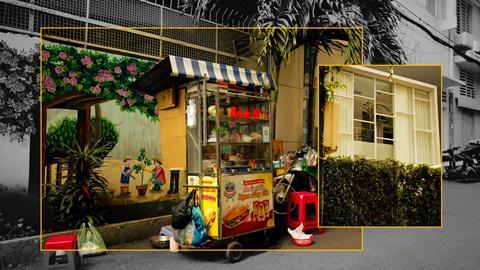
The clubhouse sits between that creative energy and LTP’s factory in District 12, just thirty minutes away. It lets a team move seamlessly between development and production, pairing fast prototyping with small production runs and drawing on LTP’s existing capabilities in seam taping, bonding, laser cutting, and three-layer performance construction, all within a dedicated collaborative space closer to the centre of the city.
The city itself also serves as a useful testing environment. When appropriate, garments can be evaluated beyond the fitting room, whether in Saigon’s heat and humidity, during Zwift sessions, on outdoor rides through the city, or in rainy-season conditions when waterproof performance can be put to the test.
And there is the city itself. Mornings often start with coffee from Little Cam or breakfast from one of the alleyway vendors a few steps from the clubhouse. Lunch might mean a plate of com tam, one of Vietnam’s most popular dishes, served with broken rice and grilled pork. In the evening, District 1 offers a different side of Ho Chi Minh City, where rooftop bars, local restaurants, and small street-side cafés sit within a few blocks of each other.
What to expect
Every visit is built around a brand’s specific goals, be it early concepts, rapid sampling, refining existing styles, or solving a technical problem. Whether a brand arrives with full tech packs, reference samples, fabric directions, or just an idea, the clubhouse team prepares the setup, materials, and technical support to make the most of the time on the ground.
Curious what faster product development looks like in practice?
LTP is opening the clubhouse to brands who want to see it firsthand. To find out what that would look like for your brand, fill in the form below and download the presentation: