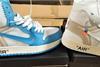
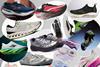
The major athletic shoe brands scored a 4.6 percent increase in dollar terms in their invoiced sales in 2013, reaching a new high of $46.5 billion, according to an annual study by Sporting Goods Intelligence. (see page 3). The category thus outpaced the previously reported growth of 1.8 percent in sports apparel and 2.9 percent in sports equipment.
Nike’s strong basketball business in the U.S. was largely responsible for the 9.7 percent increase to $17.6 billion in the U.S. market. Due in part to currency issues, the sell-in for athletic footwear in the rest of the world rose by only 1.7 percent. Sales grew by an estimated 7.3 percent in Europe to $12.5 billion, but fell by 3.7 percent in Asia and by 0.2 percent in Latin America and elsewhere.
While the Adidas Group remained slightly ahead of Nike Inc. in the sports apparel sector, the Nike group, comprising the Swoosh and Converse, raised its global market share in sports shoes by 1.4 percentage point to 38.9 percent, including a market share of 47.1 percent in the U.S. and of 33.9 percent in the rest of the world. Adding up the Three Stripes, Reebok and its golf shoe segment, the Adidas Group’s share declined instead by one percentage point to 19.0 percent, with shares of 9.7 percent in the U.S. and 24.6 percent elsewhere. Together, these two groups came to control 57.9 percent of the global market.
All the other players came out with lower market shares. Led by Vans and Timberland, VF Corporation was a distant third with an improved share of 6.9 percent of the global sports shoe market. Other impressive gains were scored by New Balance, Skechers, Fila, Brooks and Under Armour. On the other hand, Latin American suppliers such as Alpargatas and Olympikus suffered from weakening currencies and local economies, and most of the Chinese brands from high inventories – in addition to the competition from the international brands.
As in our other studies, the numbers on our chart rely mainly on the publicly available data from the major companies in the sector, input from management and the estimates of industry experts. They exclude apparel and equipment, but they include a small portion of direct-to-consumer sales, which probably make up around 8 percent of the total turnover based on a retail margin of 50 percent. For non-U.S. companies, sales in local currencies are converted to U.S. dollars at the average exchange rate calculated by the OECD for the year.
Click here to download the chart