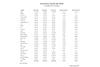
Li Ning Company generated a 137 percent increase in operating profit (Ebit) to 5,328,237,000 yuan renminbi (€758.1m) for the 12 months ended Dec. 31 as total revenues grew by 56 percent to RMB 22,572.3 million (€3.21bn). The gross profit margin for the year rose to 53.0 percent from 49.1 percent in 2020, thanks to lower levels of discounting and better sell-through rates for new products. The annual net profit jumped by 136 percent to RMB 4,010,888,000 (€570.6m).
The Chinese company’s revenues were up at similar rates in all the channels, with all three product segments posting healthy double-digit gains. Footwear sales stepped 50 percent higher to RMB 9,505.9 million (€1.35bn); apparel jumped 61 percent higher to RMB 11,823.8 million (€1.68bn), and equipment/accessories came in 65 percent higher at RMB 1,242.5 million (€176.8m). By product category, sport casual accounted for 43 percent of total sales and increased by 71 percent for the year, followed by basketball (25% of the total), up by 46 percent; running (16%), up by 53 percent; and fitness (15%), up by 57 percent. Other products accounted for 1 percent of all revenues.
Only 1.3 percent of Li Ning’s 2021 revenues were generated outside of China. Total sales from foreign markets went up by 35 percent to RMB 296.2 million (€42.1m). The company launched a $1.35 billion stock offering in the fourth quarter to help boost its sales abroad. Still, such efforts may be thwarted by recent moves like that of the U.S. governments, which recently banned imports of its products because of alleged human rights violations in its sourcing policies. As previously reported, the Norwegian Ethics Council has asked for a Norwegian pension fund to divest its 1.2 percent stake in Li Ning for similar reasons.
Inside the PRC instead, Li Ning joined other Chinese brands in taking market share from western brands that consumers boycotted because of their attitude over human rights in Xinjiang. In China, the company’s sales to franchised distributors increased by 57 percent to RMB 5,010.4 million (€712.8m). In comparison, revenues from its own retail stores increased by 53 percent to RMB 5,010.4 million (€715.8m) and e-commerce escalated by 58 percent to RMB 6,412.9 million (€912.4m). The brand’s penetration in big Chinese retail stores exceeded 1,200 locations last year, with each averaging monthly sales productivity of RMB 600,000 (€85,000). Comparable store sales in first-tier cities rose by low single digits, while comparable sales in shopping malls increased by high single digits.