CEO José Luis Sicre continues to look with favor on the recent results of All for Padel (AFP). As we reported in February, the brand’s sales for FY 2023 amounted to €29.1 million. This bested the previous year’s €27.3 million by 6.6 percent but also fell short of the initial target, set first at €34 million, then cut to €31 million.
As Sicre explains in a new interview with CMDsport, €29.1 million remains “a very good figure” in light of the inventory glut and consequent price war in padel racquets that has been harming brands and retailers alike. “The only one enjoying a benefit,” he says, “is the consumer.” (We note in passing that CMD puts the year-on-year increase not at 6.6 but at 16 percent. Perhaps full-year 2022 sales have themselves been revised down.)
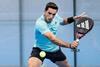
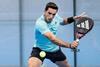
In any case, Sicre attributes this relative victory to AFP’s strategies in sales and especially marketing. “We conduct many actions in the field,” among them the Adidas Padel Tour, which passes through eight countries (AFP, through parent AFP Group, holds the license for Adidas padel). But it helps that AFP generates more than 60 percent of its revenues from the sale of top-of-the-line – that is, expensive – models.
One change in 2023 was the domestic market’s expansion, Sicre says. For the previous three years, foreign sales had accounted for more than half of total sales, but Spain bounced back.
The US, South Africa and Mexico also saw growth, as did Argentina, the UAE and Italy. The US is, in fact, AFP’s second-biggest market (after Spain), followed in order by Italy, Scandinavia, Germany, South Africa, Ireland, Brazil, Chile, Mexico and Argentina.
For the current year, AFP expects to increase sales by 10 percent, and things are going well so far. The first half, says Sicre, has met sales targets.
To speed things along, AFP is investing in the US. In 2025, it will launch a “spectacular collection” for the fastest-growing American sport, pickleball, and sponsor the PPA Pickleball Tour.
AFP’s courts division sponsors the Pro Padel League and has been working hard, Sicre says, to meet America’s “very stringent” official certifications.