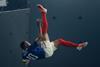
Three weeks into the FIFA World Cup 2026, and only days after reporting its fiscal fourth-quarter results, Nike is making a clear argument to investors, retailers and the wider market: the turnaround may not yet be visible in revenue, but the early indicators are moving in the right direction.

“Rip the Script” was never simply a football campaign

Instead, it represents the most visible expression to date of CEO Elliott Hill’s Sport Offense strategy, the sport-led operating model at the center of Nike’s effort to restore growth and reconnect with consumers.

When the six-minute film launched on June 4, it arrived as the centerpiece of a 12-week “Universe of Nike Football” platform that extends well beyond a single advertisement. The initiative spans content, product launches, retail activations and collaborations with partners including Jacquemus, Palace and PATTA. The goal is to maintain a sustained presence throughout the World Cup rather than deliver a single campaign moment.

Nike’s fiscal fourth quarter ended on May 31, before the tournament began on June 11, meaning World Cup demand could not yet be reflected in reported sales. And it wasn’t. Revenue was essentially flat year over year, while profit growth relied heavily on a one-time US tariff refund rather than football-related momentum.

In other words, Nike’s latest results offered little direct evidence that its football push is already translating into revenue growth.

Football and eyeballs: in the attention economy, Nike says it delivers

Instead, Nike has focused investor attention on leading indicators. Management highlighted strong demand for national team jerseys and described the latest Mercurial launch as the fastest-selling football boot in Nike Direct history, presenting both as evidence that consumer engagement is strengthening ahead of the tournament’s decisive stages.

The campaign’s reach figures reinforce that narrative. Nike says “Rip the Script” generated more than 1.5 billion views during the first week of the tournament and became one of the most widely shared pieces of football content in the company’s history.

Whether “Rip the Script” is effective creative is a separate question, one that SGI Europe has already examined. The more fundamental issue is whether the campaign can validate a much broader corporate thesis: that reorganizing the company around sport, rather than product categories, can help reignite growth.

For now, the financial evidence has yet to catch up with the attention metrics. Still, Nike’s messaging following its earnings release suggests the company wants the market to measure progress through consumer engagement signals emerging from sport.

Three weeks into the World Cup, that is the case Nike is trying to make.