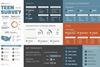
A new study shows that many athletes may be interested in sweat management products.

A recent study conducted at the Warsaw Sports Business Center at the Lundquist College of Business, University of Oregon found that 77 percent of individuals are “actively annoyed” by sweat during performance, suggesting the need for products that best suit consumer needs. “The relationship between exercise and sweat production is well understood, but the question at hand is how impactful and important sweat-managing products are on the performance of the athlete,” said Ariyahna Bernard, who signed the article.
The study was conducted through small-scale survey targeting active runners and cyclists to understand their pain points. Participants included both recreational and competitive runners and cyclists across 47 US States and one non-US country. The survey focused on three core areas: (1) the perceived impact of sweat on performance; (2) the methods used to manage or mitigate sweat; and (3) the participants’ openness to new sweat-management products, including headwear, adhesive forehead strips and moisture-wicking fabrics. The 405 responses offered insight into the physiological, psychological, and logistical challenges caused by sweat during physical activity.
Among the key insights from the study:
- Sweat disruption: 56 percent of respondents said they must wipe sweat from their eyes every ten minutes or more frequently, with sweat interfering with their primary activity.
- Demographics: runners aged 15–24 were most affected by sweat (53.3 percent), while older runners (65+) were least impacted, with only 12.5 percent reporting disruption. By gender, males (55.9 percent) were more likely to report sweat-related disruption than females (32 percent).
- Safety concerns: Responses recurrently referred to: impaired vision from stinging or blurred eyes, leading to temporary blindness mid-activity; loss of concentration resulting in near misses or crashes; actual injuries due to obstructed vision; disruption in race rhythm, inducing stress and halting performance.
The study concludes that although sweat is often considered a mere inconvenience, the data show that it is a critical performance variable. Both cyclists and runners expressed strong interest in trying new tools to help manage sweat.