The biggest retailers in Norway recorded sales of NOK 12.5 billion (€1.07bn) in 2024 – a 4.4 percent decrease from the previous year.
In 2024, the Norwegian sports chains XXL, Sport1, Anton Sport, Intersport, Löplabbet, Stadium, Stadium Outlet and Obs! had combined sales of NOK 12.5 billion (€1.07bn), accounting for about half of total sports equipment sales in Norway. This was a 4.4 percent decrease from the previous year, with the first quarter being particularly weak.
This is shown in a compilation made by the Norwegian sporting goods association Norsk Sportsbransjeforening.
Sales drivers
Total sales in the fourth quarter were just under NOK 3.6 billion (€309.4m), down 1.9 percent from last year. Wool, down, skate and ski sales were lower than last year, impacted by the weather. In 2023 the period was snowy and cold, while in 2024 it was milder and less snowy. Apparel and footwear sales rose, and bicycle sales rose into the fourth quarter of 2024.
Chain sales were down 4.4 percent for the year, with the first quarter being 10.2 percent below last year and the next three quarters being 2.6 percent below. Major sports industry sales came from equipment for outdoor recreation, hunting and fishing, skiing, cycling and running, as well as football and other team sports.
Differentiated sporting goods market
In 2024, Norwegians felt the effects of a tight economy. High interest rates, food and electricity prices had led to lower spending on sports equipment. Holidays abroad became more expensive because of the weak Norwegian krone. Some Norwegians are still hesitant, as evidenced by slower sales of expensive electric bicycles.
“Smaller items are selling well,” says Trond Evald Hansen, Head of the Norwegian Sports Industry Association. “Some higher-priced products are moving, suggesting more people are willing to spend more on sports equipment.”
Skis and bikes
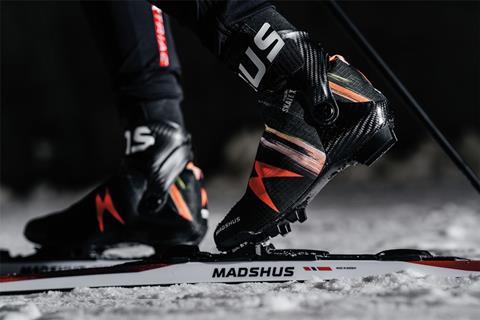
Strong sales of cross-country skis depend on good skiing conditions. In the winter of 2023/24, sales of skis were weak despite good conditions. The Norwegian Sports Industry Association estimates that approximately 190,000 pairs of cross-country skis and 80,000 pairs of alpine skis were sold last winter. Approximately 270,000 pairs of skis were sold, compared to the best winters, when 140,000 more pairs were sold. The Norwegian Sports Industry Association estimates that 260,000 bicycles were sold in 2024, compared with 275,000 in 2023. Electric bike sales remained steady, but sales in the NOK 30,000–50,000 (€2,600-€4,300) range dropped sharply. Children’s bikes were the only growth segment, with all others in decline.
Growing demand for repair services
Bicycle repair shops have seen a surge in business this year. Cyclists are repairing their bikes and using qualified workshops for minor and major repairs. The trend led to the creation of professional certificate programs for bicycle mechanics starting in fall 2024. “We need more competent bicycle mechanics,” says Hansen. “This is in line with society’s demands and the need for equipment with a longer service life. Increased use of bicycles is probably the best combination of environmental and health measures that most people can take.”
Retail and market shares are changing
Sports chains represent the specialist sports retailing sector, where staff is highly trained and the range of products is broad. From 2018 to 2024, sales from 108 fewer stores were reported (668 in 2018 and 560 in 2024). Other store concepts have grown strongly in recent years, including low-price and specialist retailers. Foreign e-commerce is also growing. We are concerned about some of these sales. Reputable sports chains comply with Norwegian and international requirements and rules on production and sales. Many competitors do not follow the same rules and compete on different terms. When sports chains comply with the Transparency Act to show full transparency regarding the safeguarding of human rights, it is concerning that the authorities do not follow the rules they require certain foreign online players to follow. Trond Evald Hansen from the Norwegian Sports Industry Association says: “It is immoral that foreign players are not subject to the same human rights and environmental requirements. This creates unfair competition when some follow the rules while others do not and there are no consequences for those who do not follow the rules.”