The numbers are stark. $169 billion in sporting goods revenue is projected to be at risk by 2030. The cause? A structural decline in physical activity — particularly among young people. Globally, 81% of 11-to-17-year-olds are not moving enough to stay healthy. If the industry’s future consumers stop being active, the market shrinks with them.
This isn’t a new problem. But the urgency has sharpened. Climate change and nature loss are compounding the pressure, altering where and how people move. Consumer behaviour is shifting faster than most brands are adapting. And while many companies continue to invest in event sponsorships as visibility plays, a growing number of leaders are starting to think differently — treating sports events not as marketing assets, but as demand-generation engines.
On 13 July 2026, SGI Europe and the World Federation of the Sporting Goods Industry (WFSGI) hosted the second session of their Coffee Break Webinar Series, bringing together two of the industry’s most credible voices on this shift.
Watch the recording
Speakers:
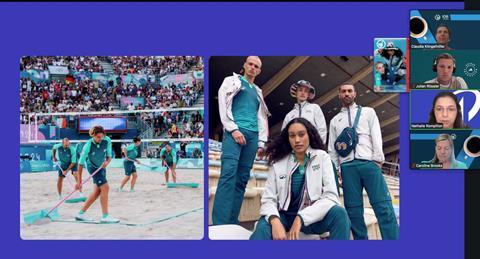
Julian Rössler, Head of Stakeholder Engagement at Adidas Foundation, shared how the foundation strategically used major sports events to reach underprivileged communities and children.
Nathalie Rompillon Santana, M.D., Decathlon’s Health & Wellbeing Leader for Social Impact and a WFSGI Physical Activity Committee member, shared how Decathlon used the Paris Olympics and Paralympics 2024 to connect its event presence with lasting engagement in sport and physical activity among communities that needed it most.

The session included Caroline Brooks, Head of Physical Activity at WFSGI with an early read-out from WFSGI’s One Goal. Move the World. World Cup Advocacy Event in New York — the industry’s collective push to put physical activity outcomes at the heart of mega-event investment. The insights
The question this webinar is designed to answer isn’t whether brands should invest in sports events. Most already do. The more pressing question is whether those investments are structured to build long-term consumer demand — or simply short-term reach.
The 40-minute format is deliberately compact: designed for decision-makers who need substance without the overhead of a conference and was moderated by Claudia Klingelhöfer, SGI Europe.