Consumer spending, foot traffic and sell-through data from M Science, Placer.ai and London Stock Exchange Group, set against record US viewership and fandom research showing the World Cup audience is wider and more commercially valuable than any prior US-hosted tournament.
The 2026 FIFA World Cup is generating its first meaningful commercial outcomes, and the picture depends on which metrics you prioritize. adidas is outpacing Nike on US apparel spend and store traffic, according to a Reuters analysis published June 24. Nike leads on sell-through rates and boots presence on the pitch, according to the London Stock Exchange Research unit.
For Nike, the early read also matters as an investor signal. The brand heads into its fourth-quarter earnings call next week after three years of market share erosion, and the tournament was expected to provide some relief.
The contest behind the numbers
The two brands are not fighting from equal positions. Nike’s share of the global sports footwear market has declined from 29.2 percent in 2022 to 22.9 percent in 2025, according to Euromonitor International data obtained by Reuters. CEO Elliott Hill, who took the helm in October 2024, has committed to refocusing the brand on performance, describing it as having “lost its obsession with sport.”
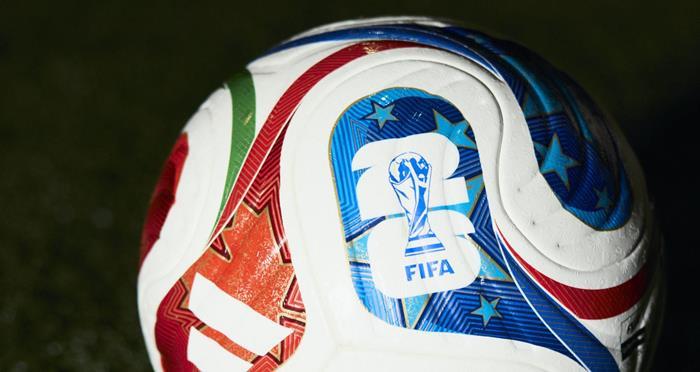
adidas enters the tournament as FIFA’s only sporting goods partner at the global tier, carrying exclusive rights across the commercial program and serving as the official match ball supplier. It is also the kit manufacturer for 14 national teams; Nike outfits 12.
Sell-through and boots: Nike’s counterpunch
One data point from financial data provider LSEG (London Stock Exchange Group) complicates the adidas lead: 28 percent of Nike’s World Cup merchandise in the US sold out in the tournament’s first two weeks, versus 7 percent for adidas. A higher sell-through rate can reflect tighter inventory discipline and concentrated demand, though it may also indicate a smaller initial stock position.
On the pitch, we have reported on the boot battle in previous SGIE coverage: it is a head-to-head contest between the two biggest brands, with a third challenger, Skechers, further complicated by the shared chromatic choice of pink.
A maturing US market raises the commercial stakes
The audience both brands are competing for in 2026 looks very different from the one that watched the last US-hosted World Cup in 1994, and early tournament viewership reflects that shift.
The US team’s opening group-stage match against Paraguay drew 18 million viewers across Fox, FS1 and Tubi, up 132 percent from the team’s first match at the 2022 World Cup (7.8 million on Fox). The game peaked at 21.5 million viewers and was the most-watched English-language US team match in FIFA World Cup history, according to Fox.
The team’s win over Australia drew another 14.8 million viewers , the second-highest audience of the tournament to date in the US.
Matches without the US are also setting records: Brazil vs. Morocco drew 10 million viewers, up 212 percent from the 2022 group-stage average for non-USMNT matches. Mexico vs. South Korea attracted 9.4 million viewers, the second-highest non-USMNT group-stage audience in English-language US broadcast history.
| FIFA World Cup 2026 – US Viewership, Group Stage | |||||
| English-language audiences unless noted. Overnight data; consolidated figures to be published post-tournament. | |||||
| Match | Audience | Peak | Platform(s) | vs. 2022 | Record / context |
| USA vs. Paraguay (EN) | 18.0M | 21.5M | Fox, FS1, Tubi | +132% | Most-watched English-language USMNT World Cup match ever; most-streamed English-language USMNT World Cup match ever |
| USA vs. Paraguay (ES) | 8.9M | – | Telemundo, Peacock | +156% | Record USMNT Spanish-language audience. Combined EN+ES: ~26.9M |
| USA vs. Australia | 14.8M | 21.2M | Fox | – | 2nd most-watched match of tournament (US) to date |
| Brazil vs. Morocco | 10.0M | 13.1M | Fox | +212% | Most-watched non-USMNT group-stage match in English-language US history |
| Mexico vs. South Korea (EN) | 9.4M | 11.5M | Fox | +192% | Most-watched Mexico match ever in English-language US TV |
| Mexico vs. South Korea (ES) | ~14.0M | – | Telemundo, Peacock | – | Among highest total audiences of tournament. Combined EN+ES: ~23.3M |
| Argentina vs. Algeria | 9.1M | 10.5M | Fox | – | 2nd most-watched non-USMNT group-stage match in English-language US history (at time of reporting) |
| Netherlands vs. Japan | 8.8M | – | Fox | – | Held non-USMNT record briefly before Argentina vs. Algeria |
Sources: Fox Sports; Telemundo; FIFA broadcast data (overnight figures — consolidated figures to be published post-tournament). vs. 2022 comparisons: English-language audiences on Fox. EN = English-language broadcast; ES = Spanish-language broadcast. – = not available or not directly comparable.
World Cup fandom is outgrowing domestic soccer in the US
The audience behind those numbers is also changing in composition. SSRS Sports Poll research, conducted January through May 2026 across a nationally representative sample of more than 24,000 Americans, found that 15 percent of Americans identify as avid World Cup fans, compared to 11 percent for domestic pro soccer, a 34 percent gap.
The uplift is most pronounced among Hispanic audiences, where avid World Cup fandom runs 43 percent higher than for pro soccer and 58 percent higher among Spanish-dominant Hispanic respondents. Even among Americans aged 55 and older, a group typically less engaged with soccer, World Cup avid fandom is 49 percent higher than for the professional game.
Research from SPORTFIVE Business Intelligence, published June 10, adds a commercial intent dimension: 72.5 percent of the segment “Senior Decision Makers” expressed interest in the tournament, and 75 percent said they planned to follow.
For brands, the implication is that the commercial window in this World Cup cycle is wider, demographically deeper and more commercially concentrated than any previous US-hosted tournament, and that the battle between adidas and Nike for apparel and footwear wallet share is playing out in front of an audience that did not exist at this scale in 1994.
FIFA World Cup 2026: The Business of the Beautiful Game
How brands, retailers, and the sports economy compete on football’s biggest stage.
Explore Our Coverage →