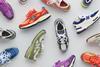
Sporting goods brands including Mizuno, Salomon, Saucony, Nike, adidas, and New Balance achieved record resale performance in 2025, with secondary market data revealing strategic shifts in how athletic brands compete on scarcity and cultural relevance, according to StockX’s Big Facts report.
Nearly 200 brands achieved record annual sales on the StockX resale platform in 2025, with sporting goods brands demonstrating the expanding influence of secondary markets on consumer demand and brand strategy.
The Detroit-based marketplace released its seventh annual Big Facts: Current Culture Index on 12 January, revealing performance data that shows how resale dynamics increasingly shape sporting goods commerce. Legacy athletic brands maintained market dominance while performance-focused challengers posted triple-digit growth, signaling shifts in how consumers discover and value athletic footwear and apparel.
Legacy athletic brands maintain dominance as performance specialists surge
Nike, Jordan, adidas, New Balance, and ASICS held their positions as the top-selling sneaker brands on StockX for the third consecutive year.
However, the most dramatic growth came from performance-focused brands expanding into lifestyle markets. Mizuno emerged as the fastest-growing sneaker brand of 2025, posting 124 percent year-over-year sales growth driven by lifestyle-forward silhouettes including the MXR and Wave Prophecy Moc – styles that translate the Japanese brand’s running heritage into broader streetwear appeal.
Saucony and Salomon demonstrated similar momentum, recording 59 percent and 58 percent growth respectively, as outdoor and running specialists successfully crossed into lifestyle categories. The performance signals continued consumer appetite for athletic brands that blend technical credibility with fashion-forward design.
Nike recovery shoes drive growth beyond traditional sneakers
In the non-sneaker footwear category, Nike recorded the most striking performance, with sales surging 5,811 percent to become the fastest-growing brand. The growth was driven by demand for the ReactX Rejuven8, a recovery-focused silhouette launched in 2025 that targets athletes and fitness enthusiasts seeking post-workout footwear.
Strategic collaborations drive apparel growth for sporting goods brands
Strategic collaborations and limited supply remained the primary growth drivers in the secondary apparel market. Adidas posted 49 percent year-over-year apparel sales growth, fuelled by its limited-edition Adidas Originals × Oasis collaboration and the 2025 Mexican National Team jersey.
What do these data say to sporting goods brands?
“Our data shows that 2025 wasn’t defined by a single category or trend – it was shaped by a number of standout releases,” said Greg Schwartz, CEO of StockX. “Companies that moved quickly, prioritized innovation, and aligned with the right partners reaped the benefits. As we look ahead to 2026 and beyond, the brands that will win are those that understand scarcity, storytelling, and community – not just scale.”
For sporting goods brands, resale data offers strategic intelligence on consumer demand patterns that extend beyond traditional retail channels.
The report positions Nike for continued momentum in 2026, citing a strengthened Jordan Brand, dominance in performance basketball, and ongoing innovation investments including the Nike Mind 001. StockX expects the 2026 FIFA World Cup to accelerate football’s influence in US fashion, while the Milano-Cortina 2026 will offer opportunities for sporting goods brands to merge sport and fashion – a combination that historically drives demand spikes for athlete- and team-linked products on the platform.