Nike is reportedly heading to Formula 1 as equipment provider to the sport’s organizer – not as a team sponsor. Two consecutive infrastructure deals, and Alexandre Arnault of LVMH – the house behind the Grand Prix cool-down room – is now joining Nike’s board.
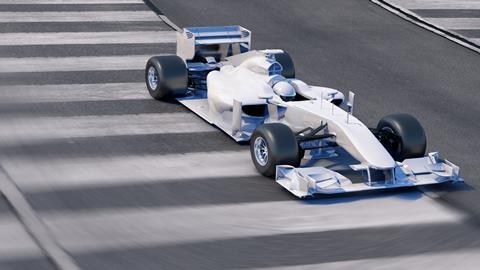
Nike is reportedly heading to Formula 1 – not as a team sponsor, but as equipment provider to the sport’s organizer itself.
A few months ago, in a piece about adidas and Red Bull entering F1, I floated the idea that Nike would eventually find its way into F1. It has. Just not anywhere near a driver’s overalls.
The rumored deal would make Nike an official kit or equipment supplier to the body running the sport, rather than a brand embedded in a team’s livery or a driver’s contract.
That distinction matters more than it sounds.
Right sport, wrong spotlight
Nike’s entire commercial model is built on the athlete. Its campaigns don’t sell shoes; they sell the person wearing them: the grind, the comeback, the “Just Do It” moment at the exact second a competitor breaks a record.
The recent crisis at Boston Marathon – “Runners Welcome. Walkers Tolerated” – reinforces the point. It was all about the athletes and their performance, not really about the sport itself.
An organizer-level equipment deal removes Nike from that moment entirely. There’s no single hero to attach the swoosh to: no Serena, no Kylian, no LeBron beat written into an F1 paddock supply contract.
Instead, Nike becomes part of the environment: present everywhere, story-driven nowhere.
For a brand this fluent in athlete narrative, that’s a genuinely strange fit.
This isn’t Nike’s first infrastructure play
It’s also not new territory. Nike is going to be the Official Outfitter for Los Angeles 2028. It is another deal where the brand sits inside the infrastructure rather than the campaign.
Two deals like this in a row start to look less like a fluke and more like a pattern:
● Official Outfitter, LA 2028 – infrastructure, not endorsement
● Equipment provider, F1 organizer – infrastructure, not endorsement
In both cases, Nike is decor. It’s on-site and visible, but it isn’t front stage at the feet of the athlete the way Nike has trained audiences to expect.
The LVMH playbook
Here’s why that needn’t be a downgrade. Luxury goods conglomerate LVMH has already shown what a “background” F1 sponsorship can do in the hands of the right marketing team.
Moët & Chandon’s cool-down room at the end of each Grand Prix is the clearest example of brilliant and unexpected activation: a piece of pure infrastructure – somewhere drivers decompress post-race – turned into a recurring, ownable brand moment. It’s not an athlete endorsement. It’s staging.
No matter who crosses the finish line first.
LVMH has built visibility and storytelling across several of its houses this way, inside a sport that never puts sponsors on a driver’s chest the way team liveries do. That’s the opening for Nike: the marketing minds behind decades of athlete storytelling now have a new canvas – the sport itself, rather than the athlete inside it.
A safer bet, not just a different one
There’s a case this shift isn’t just odd; it might be deliberate.
Athlete endorsement is expensive and volatile: multi-year contracts tied to individual form, off-field controversy, injury, a single bad season. The downside risk sits entirely with the brand, and the return is never guaranteed.
An infrastructure-level deal doesn’t carry that risk.
No single athlete’s slump can undo it, and the exposure is broader rather than concentrated in one contract. In this case, the top teams are already under long-term contracts. The possible choice of the American Cadillac Formula 1 Team would not be a winning choice for Nike, at least in the short-term, as the team is (at the time of publication) currently sitting at the bottom of the standings, without a single point yet in their first season.
If that’s the real logic, Nike’s F1 move might be less about F1 – and more about testing whether staying in the background is a cheaper, steadier way back to momentum than another marquee athlete deal.
The Arnault tell
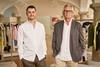
One day after the F1 rumors broke, Nike confirmed Alexandre Arnault – son of LVMH chairman Bernard Arnault, and deputy CEO of Moët Hennessy – is joining its board. The same house behind that Grand Prix cool-down room now has a seat inside Nike.
That reframes the question. Maybe staying in the background isn’t just a cheaper alternative to athlete endorsement – maybe it’s the first visible sign of Nike borrowing LVMH’s actual playbook: restraint, staging, and brand elevation over hero worship.
There’s already a working example of that logic in the category. Swiss running brand On now sells the most expensive running shoes in the market on average, raised US prices through 2025, and still posted growth above 28 percent for the year; proof that premium restraint can carry a performance brand.
It’s a tricky needle for Nike to thread, though. A brand chasing luxury positioning and a brand that just told marathon walkers they’d be “tolerated” are pulling in different directions – elevate too hard, and you risk alienating exactly the mass audience “Just Do It” was built to include.
Whether this is a hedge against endorsement risk, a quiet pivot toward luxury branding, or both, one thing is now on the record: Nike just put an LVMH executive in the room where these decisions get made.
The Playbook is an independent column. The views expressed are those of the author and do not represent the editorial position of SGI Europe.

The Playbook with Sebastien Willefert
Strategic thinking for the sporting goods industry
An operator’s perspective on the industry’s most pressing strategic questions. Sebastien Willefert distills two decades of brand, commercial and marketing leadership into digestible, actionable insights. From growth strategy to community leverage, The Playbook translates experience into answers.
Read The Playbook →