For decades, the sports and outdoor industry have inspired millions of people to live more active lives. Few industries have contributed as much to improving health, wellbeing and quality of life through products, innovation and experiences that encourage people to move. Yet one of society’s greatest health challenges continues to grow as fewer young people lead active lifestyles.
This presents our industry with both an important responsibility and a significant opportunity.
The sports and outdoor industry have been driven by a clear ambition: helping people run faster, train harder, perform better and achieve more. That ambition has fueled extraordinary innovation and will continue to define an important part of the market. But as consumer landscapes are changing and everyday life has become more complex, the role of movement has naturally evolved. As a result, brands must rethink not only how they communicate, but also the role they play in people’s lives.
The future of the industry will not be defined only by how well we help existing consumers perform better, but by how successfully we inspire entirely new groups of people to experience the value of movement.
Understanding that opportunity begins with understanding how consumers themselves are changing.
From performance to presence
Performance has long been the dominant narrative within sport. Products have become lighter, technology smarter and training methods increasingly sophisticated. Innovation has largely focused on helping people optimise their performance and maximise their potential. That ambition remains as relevant as ever. Elite athletes and dedicated enthusiasts will continue to seek products and experiences that help them improve. However, the industry’s greatest growth opportunity lies beyond the consumers who already identify as active. For the millions of people the industry hopes to inspire, performance is rarely the starting point.
Our NXT Consumer research at Above The Clouds increasingly shows that consumers are looking for something different. They are not necessarily searching for another way to optimise their lives. They are navigating a world characterised by constant connectivity, economic uncertainty, geopolitical tensions, climate anxiety and an overwhelming competition for their time and attention. In that environment, movement begins to fulfil a broader purpose than simply improving physical fitness.
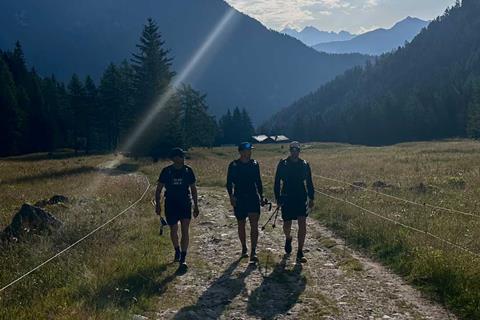
Running becomes a way to clear the mind rather than improve a personal best. Walking/Hiking creates space for reflection in increasingly fragmented days, while time spent outdoors offers perspective, recovery and an escape from the constant demands competing for our attention. The activity itself has not changed. What has changed is the role it plays in people’s lives.
This marks an important shift. The future of the sports and outdoor industry is no longer only about helping people perform better. It is equally about helping more people feel better through movement which lowers the barriers for participation.
Rhythm over optimisation
The future competitor of sport isn’t another sport. It’s everything else competing for people’s attention.
For more than a decade, consumers embraced the culture of optimisation. Better habits, greater efficiency, measurable progress and constant self-improvement became ideals that shaped everything from work and health to leisure and sport. Today, that mindset is beginning to evolve. As everyday life has become more complex, many consumers no longer feel they lack ambition. They feel they lack balance.
Rather than searching for another system promising greater productivity, consumers increasingly seek routines that feel sustainable. They are looking for a healthier rhythm where movement becomes a source of energy, recovery and balance rather than another expectation to fulfil. This changes how movement is perceived. Physical activity is becoming less about achieving peak performance and more about creating everyday wellbeing. The value lies not only in stronger bodies, but in calmer minds, improved resilience and a greater sense of control over daily life.
The next generation won’t choose sport because they want to become athletes. They’ll choose movement because they want to feel like themselves again.
For brands, this represents an opportunity to broaden the conversation around sport. Performance will always inspire some consumers, but rhythm, recovery and balance have the potential to inspire many more.
The connection economy
The changing role of movement is also reshaping what consumers expect from brands.
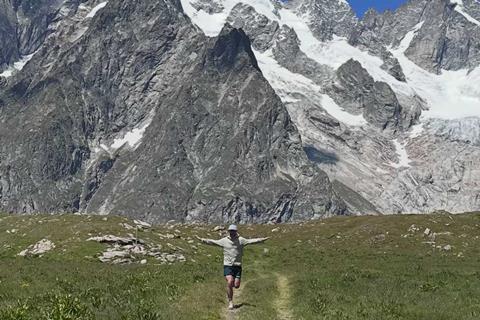
For decades, brands competed for attention. Today, they increasingly compete for participation. Attention disappears the moment someone scrolls past a campaign or closes an app. Participation creates something attention never can. It creates memories, friendships, confidence, routines and identity. This helps explain why running clubs continue to flourish, why hiking communities are growing across Europe and why local sports courts have become vibrant social meeting places. It also explains the rapid growth of guided outdoor experiences, community rides, climbing collectives and travel concepts designed specifically for solo travellers who want to meet others through shared interests rather than simply visit a destination.
The activity may be the reason people join. Increasingly, connection is the reason they return.
We have entered what I describe as the Connection Economy, where the value of sport extends far beyond physical activity itself. Participation creates belonging. It strengthens relationships. It builds confidence and gives people a place where they feel they belong.
For sports and outdoor brands, this changes the nature of competitive advantage. Products remain essential, but long-term relevance increasingly comes from creating opportunities for people to connect—with nature, with communities and with one another.
The brands that succeed will not simply build fans of brands. They will build participation and create environments where people feel they belong.

Nature as society’s preferred regulator
Perhaps the outdoor industry’s greatest advantage is something that has always been there.
Nature.
At a time when confidence in many traditional institutions is being challenged by geopolitical conflict, economic uncertainty, political polarisation and growing concerns about climate change, people are searching for places that feel stable and trustworthy. Nature offers something increasingly rare in modern life: a sense of stability.
Unlike many of the systems surrounding us, nature places no demands on who we should become. It does not ask us to perform, consume or constantly react. It simply invites us to be present.
This is reflected in our own research. In The NXT Outdoor Consumer, nearly six in ten consumers say they actively seek nature because it makes them feel good, while only one in ten primarily seeks nature for high-performance activities. Nature’s value is no longer limited to adventure. It has become one of society’s most trusted environments for wellbeing.
For the outdoor industry, this represents a unique strategic opportunity. Few industries are so closely connected to something consumers increasingly recognise as essential to both their physical and emotional health.
Helping more people develop lasting relationships with nature is therefore not only an opportunity to increase participation. It is an opportunity to strengthen public health while reinforcing the long-term relevance of the outdoor category itself. That also requires lowering the barriers to participation, making nature feel welcoming, accessible and relevant for families, beginners and those who have yet to discover everything it has to offer.
Brands as emotional infrastructure
Taken together, these shifts point towards a broader transformation in the role brands play in people’s lives.
As consumers increasingly seek rhythm, connection and emotional balance, they also expect more from the brands they choose to invite into their lives. This is why I believe brands are increasingly becoming emotional infrastructure. This is not about purpose statements or emotional storytelling for their own sake. It is about recognising that people increasingly make decisions based on how they want to feel, not only on what they want to achieve.
People rarely wake up wanting a better running shoe. They wake up wanting more energy. Less stress. Better routines. Stronger relationships. A healthier lifestyle. A greater sense of balance. The product enables that journey, but it is the emotional outcome that creates lasting value.
The brands that understand this shift will move beyond selling products. They will become trusted partners in helping people build healthier, more active and more balanced lives.
A defining opportunity for the industry
Every generation redefines what sport represents.
For previous generations, sport was often associated with competition and achievement. Today, it is increasingly becoming a pathway to wellbeing, belonging and emotional balance.
That shift creates an extraordinary opportunity for the sports and outdoor industry.
By recognising the shift from performance to presence, brands can help redefine what movement means in modern life. Not another measure of achievement, but a pathway to rhythm, connection and wellbeing. The next generation of growth will not come solely from helping existing consumers perform better. It will come from helping many more people experience the everyday value of movement.
For leaders across the industry, this means expanding the definition of innovation. Continue building better products but also create better participation. Design experiences that lower emotional barriers, foster belonging and make movement feel accessible to people who have never considered themselves part of the category.
Brands that understand this shift early will do more than strengthen their competitive position. They will help improve public health, strengthen communities and grow the market by making active lifestyles relevant to entirely new groups of consumers.
At a time when society urgently needs healthier habits, stronger communities and greater emotional wellbeing, the sports and outdoor industry have an opportunity unlike any it has seen before.
Helping people feel better may become the industry’s most important measure of success. Not simply to create better athletes. But to help create a society where more people experience the everyday value of movement. That may prove to be the sports and outdoor industry’s greatest performance yet.
What this means for sports and outdoor brands
1. From performance to presence
The strategic lens: The future of growth will not be defined only by helping people perform better, but by helping many more people experience the value of movement through wellbeing, connection and everyday relevance.
Brand opportunity: Expand your brand beyond performance. Position movement as a pathway to wellbeing, confidence, recovery and a better everyday life to inspire new groups of consumers.
2. Rhythm over pptimisation
The behavioural shift: As everyday life becomes more complex, consumers are moving away from constant optimisation and seeking healthier, more balanced rhythms.
Brand opportunity: Design services and communication that show you understand the reality of everyday life. Help people build lasting habits rather than short-term performance.
3. The connection economy
The social shift: Participation has become more valuable than attention. Consumers increasingly seek belonging, shared experiences and meaningful human connection through movement.
Brand opportunity: Invest as much in communities and participation as in products. Brands that create places where more and new people meet, move and belong will build stronger long-term relevance than brands focused solely on transactions. The product is an enabler to connect.
4. Nature as society’s preferred regulator
The environmental shift: In a world shaped by uncertainty, consumers increasingly turn to nature for recovery, emotional balance and perspective.
Brand opportunity: Make nature more inclusive and accessible. Lower the barriers to participation and inspire more people to discover outdoor experiences as part of everyday life—not only as adventure or performance.
5. Brand as emotional infrastructure
The strategic response: The move from performance to presence, the desire for healthier rhythms, the growing importance of connection and the role of nature as a source of emotional regulation all point towards the same conclusion. Consumers no longer expect brands only to improve what they do. They increasingly expect brands to improve how they live.
Brand opportunity: The brands that lead the next decade will be those that manage to act as emotional infrastructure and create value beyond the product itself. By helping people build healthier habits, stronger communities and more meaningful relationships with movement and nature, brands can become emotional infrastructure and trusted partners that make active lifestyles feel more relevant, accessible and rewarding for many more people.
The future belongs to the brands that understand one simple shift: performance may build better athletes, but presence has the power to build a healthier society.

Impact of Sports
Physical inactivity keeps rising, and with it the risk to this industry's future. Our Impact of Sports series follows the evidence, from global data to the brands and policymakers working to get more people moving.
>> Explore the series.Fredrik Ekström
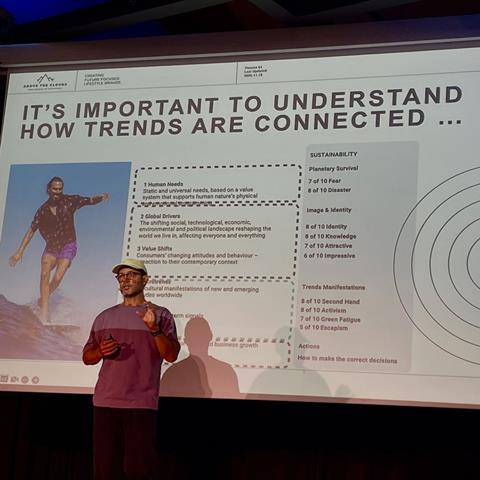
Fredrik Ekström, a brand strategist and founder of Above The Clouds, brings over 20 years of expertise in consumer insights, brand development, and strategic communication. With a unique understanding of the evolving landscape of sustainability and consumer behavior within the outdoor and lifestyle industries, Fredrik unveils key findings from his latest report, THE NXT OUTDOOR CONSUMER.