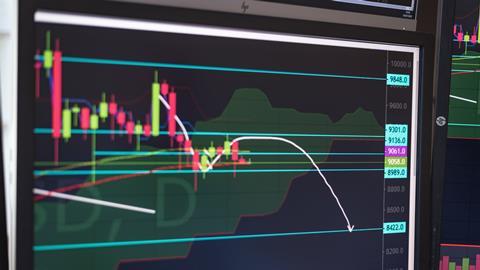
According to SGI Europe’s quarterly study of selected public sporting goods industry stocks, their average share price fell by 16.25 percent on a sequential basis in the first quarter of 2022, in contrast with the performance of some major stock indexes during the same period. The Standard & Poor’s 500 index declined 4.95 percent, the Dow Jones Industrial Average fell 4.57 percent, the Financial Times 100 index rose 1.78 percent and the German DAX slipped 9.7 percent.
In many ways, the first quarter was a “perfect storm” that contributed to the malaise in the markets. The Dow fell 500 points on the final day of the period to end the worst quarter for stocks in two years since the first quarter of 2020 as the Covid-19 pandemic commenced. Slowing growth, rising interest rates, high inflation and greater geopolitical tensions all contributed to a challenging environment. Some circles are forecasting the volatility in the markets to continue into the second quarter and likely into the back half of 2022. In February, orders for manufactured goods in the U.S. declined 0.5 percent. It was the first drop-off after nine consecutive monthly gains.
Our stock chart shows that all but two of 35 entrants, China’s 361 Degrees, and shooting equipment maker Sturm, Ruger & Co. suffered declines during the first quarter with 25 stocks falling double-digits on a percentage basis. Those with the largest percentage drops were led by retailers Foot Locker and JD Sports Fashion followed by Canada Goose and Puma. 361 Degrees, after achieving a 55 percent increase in 2021 e-commerce sales, is vowing to invest further resources, and put more marketing muscle behind the segment this year.
As 2022 turned the page to the second quarter on April 1, some circles expressed worry that a recession or slump may be ahead in the U.S. and Europe due to current market trends. But others indicated that the current inverted yield curve trend (when short-term interest rates are higher than long-term ones) sometimes sends a false recession warning. Also, energy prices worldwide have been on a roller coaster ride since the end of 2021.
For sure, market trends that emerged in the first quarter, ranging from persistent supply chain woes and higher oil prices to the Ukraine-Russia war that commenced on Feb. 24, were all negative factors during the period along with difficult year-on-year comparisons and inflation. During the first quarter, many brands announced select price increases in the months ahead to help them offset rising sourcing and freight costs and aid in the preservation of product margins.
Callaway, which suffered a more than 14.6 percent stock price decline during the quarter, reported “strong momentum” in its Jack Wolfskin business but also a fourth-quarter drop-off in golf equipment sales due to a planned production shift in 2022. Lululemon is broadening its reach with footwear, golf, and tennis products, but confirmed that about 45 percent of its more than $6 billion in sales continues to be generated by core products. The two Japanese sportswear companies, Asics, Mizuno and Skechers each dropped less than 10 percent compared to double-digit stock price erosion for rivals Adidas, Fila Holdings, Puma and Under Armour. For its part, Nike which achieved a nearly 15 percent jump in its stock price in the fourth quarter and is forecasting mid-single-digit sales growth for the 12 months ending May 31, says a low-single-digit price hike later this year for the spring/summer 2023 season will be partially offset by higher input product and supply chain costs and strategic actions related to expediting product deliveries into North America. On Holdings, which realized a 94 percent gain in adjusted Ebitda in 2021, has implemented a strategy to expand beyond premium running shoes with more apparel, accessories, and products for the outdoor and lifestyle markets.